


The breaking development that Ali Larijani killed in a targeted strike has significantly escalated geopolitical tensions, placing the Middle East—and potentially the world—on edge. As one of Iran’s most influential political and strategic figures, Larijani’s death is widely interpreted as a high-level decapitation move, directly targeting the upper tier of Iran’s leadership structure.
This event is not just political—it is deeply strategic. The fact that Ali Larijani killed under such circumstances puts immense pressure on Tehran to respond decisively, raising fears of an unpredictable and potentially far-reaching retaliation.
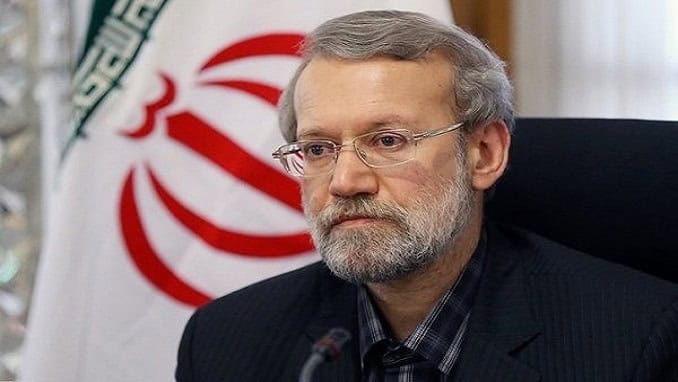
Ali Larijani was far more than a senior official. He was a central pillar in Iran’s political and strategic architecture, with deep influence over national security, nuclear negotiations, and regional diplomacy. His proximity to the Supreme Leader positioned him as a key decision-maker in shaping Iran’s long-term geopolitical strategy.
The news that Ali Larijani killed therefore represents not just a leadership loss, but a disruption of Iran’s strategic continuity.
The phrase Ali Larijani killed is rapidly becoming a defining geopolitical headline because of what it signals: a willingness to target senior figures at the highest level. Historically, such actions trigger strong and often asymmetric retaliation, particularly from Iran.
This is viewed by analysts as a calculated move designed to:
For broader geopolitical insights, refer to: https://www.cfr.org
Following confirmation that Ali Larijani killed, Iran faces intense pressure to act. Domestically, leadership must demonstrate strength and deterrence. Internationally, any perceived weakness could invite further provocations.
However, retaliation is complex. A direct response risks escalation, while a delayed or indirect approach introduces uncertainty—making the situation highly volatile.
Iran could mobilize allied groups across Iraq, Syria, Lebanon, and Yemen, increasing the likelihood of simultaneous regional conflicts.
Iran has developed sophisticated cyber capabilities. Retaliation may include attacks on:
Explore cyber risk frameworks: https://www.cisa.gov
Any escalation near critical shipping routes like the Strait of Hormuz could disrupt oil flows, pushing global energy prices higher.
The consequences of Ali Larijani killed may not remain regional. Global trade routes, supply chains, and international security systems could face disruption.
Geopolitical shocks typically trigger:
Iran may avoid immediate confrontation, opting instead for:
This unpredictability significantly raises risk levels.
The killing of a high-profile figure like Larijani could trigger a broader shift in global security postures, with nations reassessing threat levels and defense strategies.
From an FX AXE perspective, the Ali Larijani killed event is a major risk catalyst. Traders should closely monitor:
Heightened uncertainty often leads to risk-off sentiment, reshaping capital flows globally.
The confirmation that Ali Larijani killed marks a critical turning point in geopolitical dynamics. More than a targeted strike, it represents a strategic escalation with potentially far-reaching consequences.
With Iran under pressure to respond, the global community faces a period of heightened uncertainty. Whether through regional conflict, cyber warfare, or economic disruption, the risks ahead are significant—and increasingly unpredictable.
For traders, policymakers, and analysts alike, this is a moment that demands close attention, as the aftermath of Ali Larijani killed continues to unfold.

