EURUSD Bid: --
USDJPY Bid: --
GBPUSD Bid: --
USDCHF Bid: --
AUDUSD Bid: --
USDCAD Bid: --
NZDUSD Bid: --
EURGBP Bid: --
GBPJPY Bid: --
WTI Bid: --
BRENT Bid: --
XAUUSD Bid: --
XAGUSD Bid: --
SPX500 Bid: --
DAX40 Bid: --
US30 Bid: --
JPN225 Bid: --
NAS100 Bid: --
UK100 Bid: --
BTCUSD Bid: --
ETHUSD Bid: --
LTCUSD Bid: --
XRPUSD Bid: --
EURUSD Bid: --
USDJPY Bid: --
GBPUSD Bid: --
USDCHF Bid: --
AUDUSD Bid: --
USDCAD Bid: --
NZDUSD Bid: --
EURGBP Bid: --
GBPJPY Bid: --
WTI Bid: --
BRENT Bid: --
XAUUSD Bid: --
XAGUSD Bid: --
SPX500 Bid: --
DAX40 Bid: --
US30 Bid: --
JPN225 Bid: --
NAS100 Bid: --
UK100 Bid: --
BTCUSD Bid: --
ETHUSD Bid: --
LTCUSD Bid: --
XRPUSD Bid: --

Asian FX Markets Outlook 2026: 5 Powerful Insights on USD/JPY Volatility and Thin Holiday Liquidity Risks

Posted: 16th Feb 2026

Asian FX markets outlook showing USD/JPY volatility during thin holiday liquidity

Asian FX Markets Outlook: Holiday Liquidity and USD/JPY Volatility in Focus

The Asian FX markets outlook is currently shaped by thin holiday liquidity and renewed volatility in the USD/JPY pair, creating a fragile yet opportunity-filled trading environment across regional currencies.

Market activity across Asia has slowed considerably due to public holidays in major economies including China, South Korea, Taiwan, the United States, and Indonesia. As a result, liquidity conditions remain thin, and price action in key currency pairs has become increasingly technical rather than fundamentally driven.

Asian FX Markets Outlook: Why Liquidity Is Thin

The current Asian FX markets outlook reflects reduced trading participation across regional financial hubs. With major markets closed, institutional flows are lighter, and interbank liquidity is limited.

Thin liquidity conditions often:

  • Increase the risk of sudden price spikes
  • Widen bid-ask spreads
  • Amplify technical breakouts
  • Trigger algorithm-driven volatility

Currency pairs such as USD/JPY, USD/CNH, and AUD/USD are particularly sensitive in this environment. Even modest order flow can generate exaggerated intraday swings.

For traders, this means position sizing and risk management are critical.
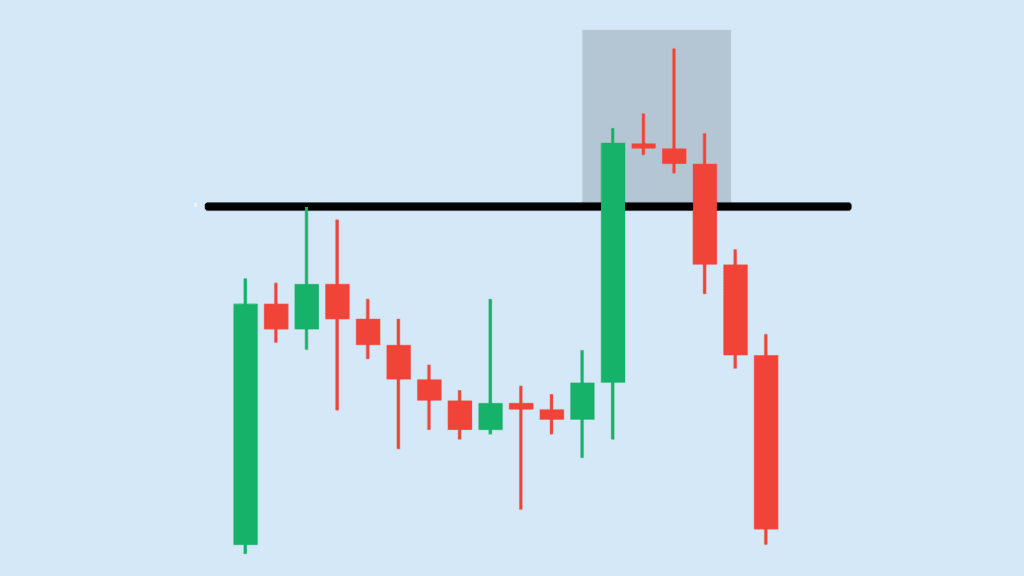
A liquidity sweep is a fast probe beyond an obvious high or low to trigger clustered orders, followed by either a sharp rejection back into the range or clean acceptance beyond the level. Read the mechanics, learn the tells, and turn that volatility into a planned trade.

USD/JPY Drives Broader Dollar Sentiment

A key pillar of the Asian FX markets outlook this week is the movement in USD/JPY.

Following recent U.S. labor market data and broader economic releases, dollar momentum has strengthened. The interplay between U.S. yields and yen volatility continues to dictate short-term direction.

The yen remains highly sensitive to:

  • U.S. Treasury yield fluctuations
  • Federal Reserve rate expectations
  • Risk sentiment across global equities

Recent U.S. employment data has reinforced expectations that the Federal Reserve may maintain restrictive policy for longer. You can track upcoming releases via the official calendar at the U.S. Bureau of Labor Statistics.

At the same time, policy divergence between the Fed and the Bank of Japan continues to support volatility in USD/JPY.

This pair is effectively setting the tone for broader dollar dynamics across Asia.

Emerging Asian Currencies: Quiet but Not Immune

Most emerging Asian currencies remain range-bound. However, subtle strength has been observed in:

  • The Malaysian ringgit
  • The Thai baht

While these gains are modest, thin liquidity could magnify moves if external catalysts emerge.

The Asian FX markets outlook suggests traders should remain cautious of unexpected breakouts, particularly if U.S. data surprises again or geopolitical headlines shift sentiment.

For reference market data and cross-checking price action, platforms like Bloomberg and Investing.com provide live currency updates.

Central Bank Decisions in Focus

Looking ahead, attention is shifting toward upcoming policy meetings in Indonesia and the Philippines.

Monetary policy signals from regional central banks will influence capital flows, especially if guidance diverges from U.S. rate expectations.

In thin conditions, even subtle changes in tone regarding:

  • Inflation outlook
  • Growth forecasts
  • Currency stability

can create amplified FX reactions.

The Asian FX markets outlook therefore remains data-dependent and highly sensitive to policy rhetoric.

What Traders Should Watch Next

To navigate the current environment effectively, traders should monitor:

  1. U.S. Treasury yields
  2. USD/JPY technical levels
  3. Liquidity normalization as markets reopen
  4. Regional central bank commentary
  5. Upcoming U.S. inflation data

Internal reading: For deeper insights on dollar hedging strategies, read our guide here: Gold vs USD Hedging Strategies.

Final Thoughts on the Asian FX Markets Outlook

The current Asian FX markets outlook highlights a fragile yet potentially volatile phase for currency markets. While price action appears subdued, thin holiday liquidity combined with strong USD/JPY momentum creates the potential for sharp, unexpected swings.

Traders should remain disciplined, flexible, and prepared for volatility spikes as full market participation resumes.

As always, risk management remains paramount.

Follow us on
Website Managed by BuiltByGo
Disclaimer: The information provided on FX Axe is for educational and informational purposes only and should not be construed as financial advice. Trading Foreign Exchange (FX), Contracts for Difference (CFDs), and other leveraged financial products involves a high level of risk and may not be suitable for all investors. Leverage can work both to your advantage and disadvantage, and as a result, you may lose more than your initial investment. Before deciding to trade FX, CFDs, or any other financial instrument, you should carefully consider your investment objectives, level of experience, and risk tolerance. You should not invest money that you cannot afford to lose. It is strongly advised that you seek independent financial advice if you have any doubts. FX Axe does not provide investment, tax, legal, or financial advice of any kind. We may receive compensation from brokers and partners featured on this website, but such relationships do not influence our reviews or recommendations. All reviews are based on our own opinions and research and should not be interpreted as endorsements or guarantees of any service. Past performance is not indicative of future results. The trading of FX and CFDs carries a significant risk of loss. By using this website, you acknowledge that FX Axe bears no responsibility for any losses you may incur from your trading activities or reliance on information provided here.

Affiliate Disclosure: Some of the links and references on FX Axe may relate to third-party brokers or service providers. In certain cases, we may receive compensation if you choose to engage with these providers through our website. This helps support the ongoing operation of the site and allows us to continue publishing content at no direct cost to our readers. Our content is created with the aim of being informative and useful. While commercial relationships may exist, we strive to ensure that the information presented remains objective and based on our own research and perspective.
cross