

Forex Market News Today is dominated by renewed U.S. trade tensions and aggressive tariff rhetoric that have triggered sharp volatility across global currency markets. Traders woke up to significant moves in USD/JPY, safe-haven flows into gold, and broad repositioning across major and emerging market currencies.
With policy uncertainty escalating, this environment is becoming a textbook case of how macro shocks reshape forex positioning in real time.
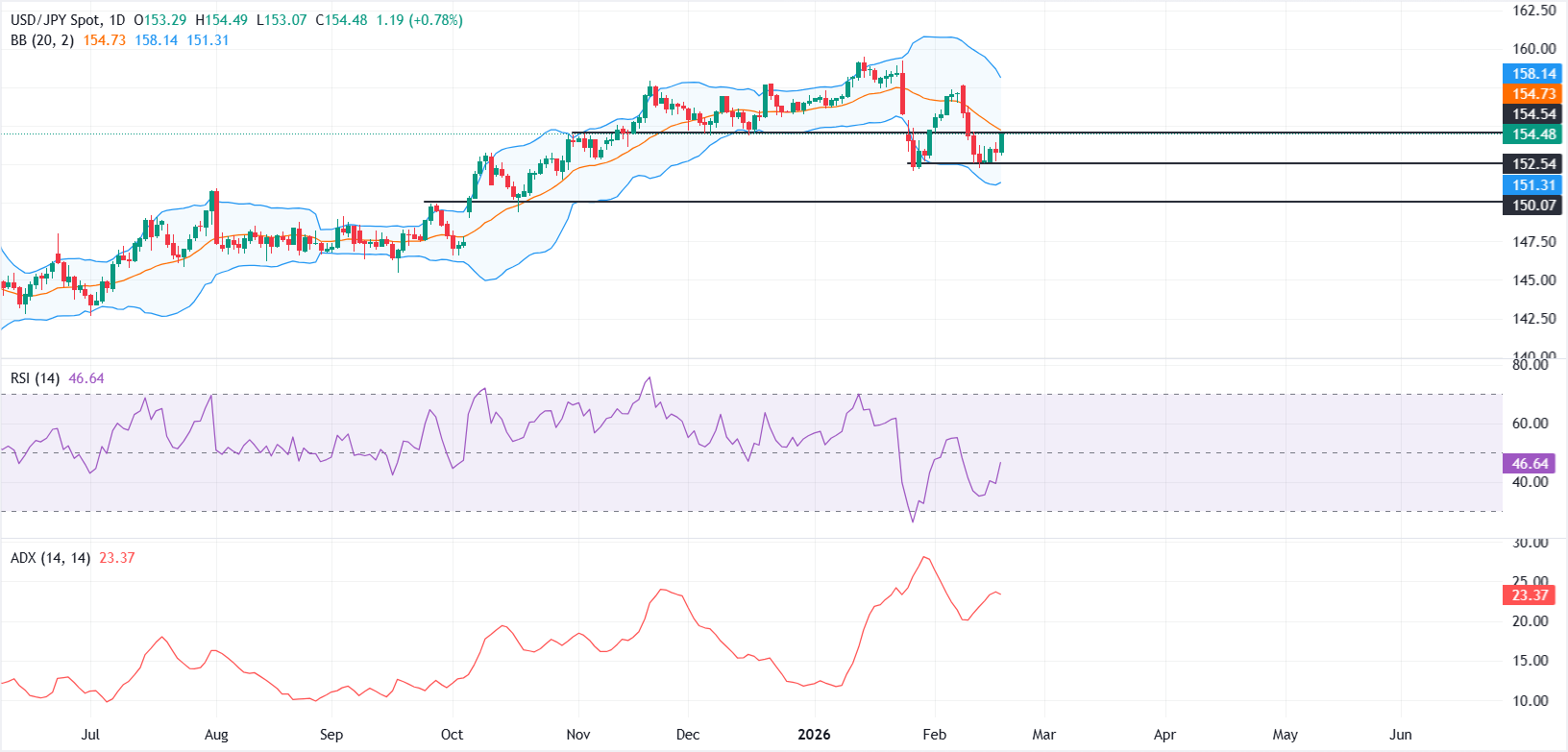
The first major development in Forex Market News Today came after the U.S. Supreme Court limited the administration’s tariff powers. In response, the White House imposed a 15% global tariff under alternative executive authority, surprising global markets.
This decision immediately sparked currency volatility.
The Japanese yen weakened sharply, while the U.S. dollar gained strength. USD/JPY became the focal point of global FX trading as traders reacted to uncertainty surrounding global trade flows.
Why did the yen weaken despite being a traditional safe-haven?
Several drivers explain the move:
The result was a strong dollar bias and heightened volatility across G10 currency pairs.
For deeper understanding of currency safe-haven dynamics, traders can review educational resources from the Bank for International Settlements.

The second major headline shaping Forex Market News Today involves renewed tariff threats. President Trump warned of introducing “more powerful and obnoxious” tariffs following legal challenges.
Markets reacted immediately:
Gold’s surge reflected defensive positioning, while risk currencies such as AUD and emerging market FX experienced pressure.
For broader macroeconomic data tracking global trade flows, traders may refer to the International Monetary Fund (IMF).
The U.S. dollar remains supported by uncertainty-driven demand. However, positioning remains fluid as traders weigh whether tariff escalation could slow U.S. growth long-term.
Although the yen initially weakened, renewed risk-off conditions are stabilizing safe-haven demand.
The Swiss franc continues attracting defensive flows during periods of trade stress.
European currencies are trading defensively as markets evaluate potential spillover effects from U.S. trade policy.
Trade-sensitive currencies remain vulnerable to tariff escalation headlines.
The current environment reinforces one reality: headline-driven volatility dominates technical structure.
Traders must adjust risk management accordingly.
For those reviewing broker stability during volatile markets, explore our internal guide:
How FX Brokers Handle High-Volatility Events
You may also revisit our educational breakdown:
Demo vs Live Trading: Key Risk Differences
At FX Axe, we emphasize disciplined risk management during periods like this. Volatility is opportunity — but only for traders who respect leverage and understand macro drivers.
In today’s Forex Market News Today, the combination of tariff policy shock and aggressive rhetoric is reshaping global FX sentiment. USD/JPY remains the central battleground, while gold and safe-haven flows continue influencing broader currency positioning.
Expect continued volatility until trade policy clarity improves.
Short-term traders should stay flexible. Long-term traders should monitor structural shifts in risk appetite.
Forex Market News Today shows how quickly political developments can disrupt currency markets. The 15% tariff announcement and escalating rhetoric have injected uncertainty into global trade expectations.
As a result:
Until markets gain clarity, traders should prepare for rapid price swings and sharp intraday reversals.
For more daily updates, broker insights, and in-depth education, continue following FX Axe — where macro analysis meets practical trading intelligence.

