

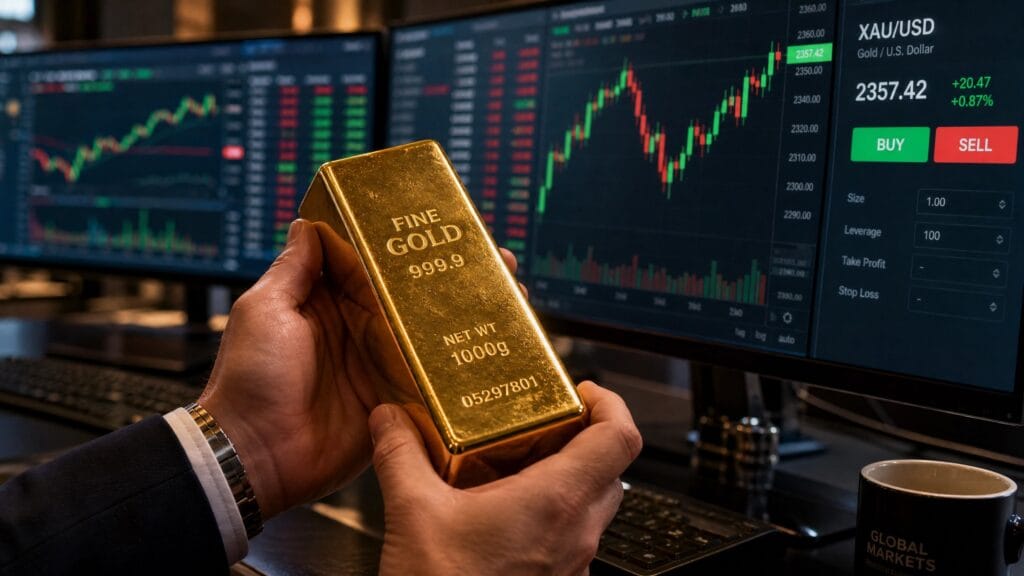
How to trade Gold is one of the first things many new traders want to understand. Gold has always been seen as a valuable asset, but in today's financial markets, it's also one of the most actively traded. From experienced investors to beginners opening their first trading account, gold continues to attract attention because of its price movements and its role during uncertain economic times.
If you're just getting started, it's easy to think trading gold is all about buying when prices are low and selling when they're high. In reality, there's much more to it. Understanding why gold moves and having a clear trading plan will put you in a much better position than simply following market headlines.
Gold is often called a safe-haven asset. When investors become worried about inflation, economic slowdowns, or geopolitical events, many turn to gold because it has historically held its value better than some other investments.
But that's only part of the story. Gold is also popular because it offers regular trading opportunities. Whether markets are trending higher or lower, gold often experiences enough price movement to attract both short-term traders and long-term investors.
Most online brokers offer gold through XAU/USD, which represents the price of one ounce of gold against the U.S. dollar.
Explore our in-depth broker reviews to start your first Gold trading journey.
Before placing your first trade, it's important to know what actually influences gold prices.
One of the biggest drivers of gold is the U.S. dollar. Gold is priced in dollars, so when the dollar becomes stronger, gold often becomes more expensive for buyers using other currencies. That can reduce demand and put pressure on prices. When the dollar weakens, the opposite often happens.
Interest rates also play a major role. Gold doesn't pay interest like a savings account or a bond. When central banks raise interest rates, some investors move their money into assets that generate income. When rates are lower or expected to fall, gold can become more attractive.
Gold has long been used as a way to help protect wealth during periods of rising prices. While it doesn't always move with inflation in the short term, many investors include gold in their portfolios when they expect the cost of living to increase.
Major events such as elections, financial crises, trade disputes, or geopolitical conflicts can all influence gold prices. During uncertain periods, demand for gold often increases as investors look for stability.
Understanding these factors is one of the most important parts of learning how to trade Gold successfully.
Not every trader approaches the market the same way. The best strategy on how to trade Gold depends on your goals, schedule, and experience.
Day trading involves opening and closing trades within the same day to take advantage of short-term price movements.
Swing trading focuses on holding positions for several days or even weeks to capture larger market trends.
Trend trading involves identifying the market's overall direction and trading with that trend rather than against it.
If you're new to trading, swing trading is often a more comfortable starting point because it gives you time to analyze the market instead of making rushed decisions.
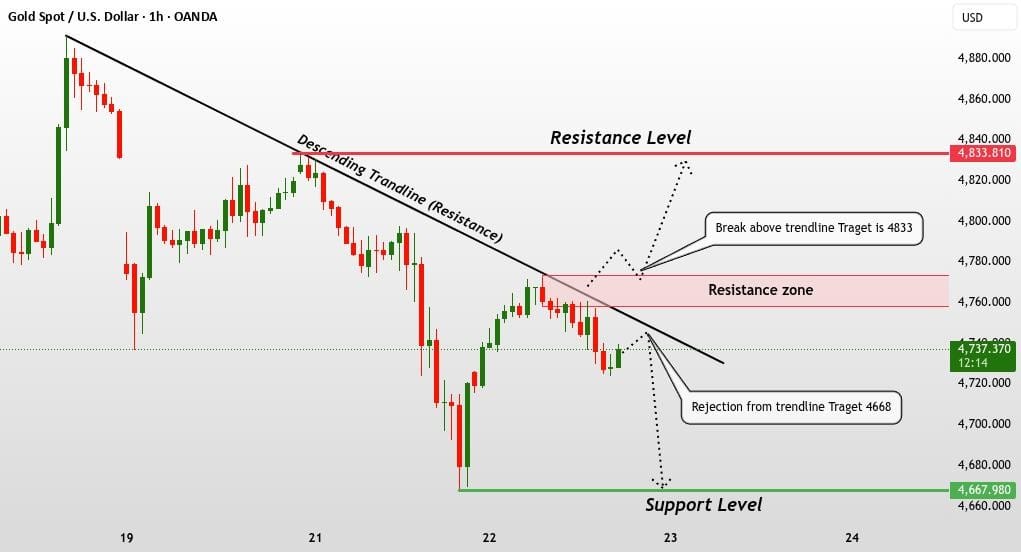
Charts tell the story of the market. Even basic chart-reading skills can help you make better trading decisions on how to trade Gold.
Pay attention to:
These tools won't predict the future, but they can help you understand how buyers and sellers are behaving.
One of the biggest mistakes beginners make is focusing only on profits.
Experienced traders know that protecting their money comes first.
Some simple rules include:
Learning how to trade Gold also means learning how to manage losses. Every trader has losing trades, but good risk management helps ensure one mistake doesn't wipe out your account.
Many new traders make the same mistakes when they first enter the gold market.
Some of the most common include:
The goal isn't to avoid every loss. It's to make better decisions over time and stay consistent.
Learning how to trade Gold isn't about finding a secret strategy or predicting every market move. It's about understanding what influences gold prices, choosing a trading style that suits you, and managing your risk with discipline.
The best traders don't rely on luck. They build their knowledge, stick to a plan, and keep improving with every trade. If you're just starting, practice on a demo account, learn from reliable sources, and focus on consistency instead of chasing quick profits.
If you're looking for trusted broker reviews, trading education, and the latest market insights, explore more guides here on FX Axe.
And if you prefer learning through videos, subscribe to the FX Axe YouTube channel for weekly trading tips, market analysis, broker reviews, and beginner-friendly educational content.

