


IEA strategic oil reserves release discussions are intensifying as global energy authorities consider what could become the largest coordinated release of emergency oil stocks in history. According to reports from major financial media outlets, the International Energy Agency (IEA) and its member countries are evaluating a massive release of strategic petroleum reserves to prevent a potential shock to global energy markets.
If approved, the IEA strategic oil reserves release could exceed the 182-million-barrel emergency release carried out in 2022 after Russia’s invasion of Ukraine disrupted global oil flows.
The move would represent one of the most significant emergency interventions in modern energy markets and underscores growing concerns about supply disruptions and rising geopolitical tensions affecting global oil transport routes.
The potential IEA strategic oil reserves release is being discussed as a precautionary measure to prevent severe volatility in global energy markets.
Strategic petroleum reserves are emergency stockpiles maintained by governments to protect against major supply disruptions. When markets face sudden shortages, coordinated releases can quickly increase supply and calm price spikes.
Recent geopolitical tensions affecting key oil shipping routes have raised fears of supply interruptions. Analysts warn that even short-term disruptions in major energy corridors could drive oil prices sharply higher.
According to Reuters, policymakers are examining whether a coordinated release of strategic reserves could help stabilize markets if supply risks intensify.
The IEA strategic oil reserves release is therefore being considered as a preventive tool to protect the global economy from sudden energy shocks.
The last major coordinated emergency action occurred in 2022, when the IEA and several governments released 182 million barrels of oil from strategic reserves following Russia’s invasion of Ukraine.
That release was one of the largest in history and was designed to stabilize markets after sanctions disrupted Russian energy exports.
According to CNBC, the coordinated release helped reduce immediate supply concerns and contributed to stabilizing oil prices during a period of intense geopolitical uncertainty.
Read more: https://www.cnbc.com/energy/
The current IEA strategic oil reserves release being considered could surpass that historic intervention, reflecting the scale of potential risks facing the global energy system today.
Energy analysts say the decision would likely depend on how global supply conditions evolve in the coming months.
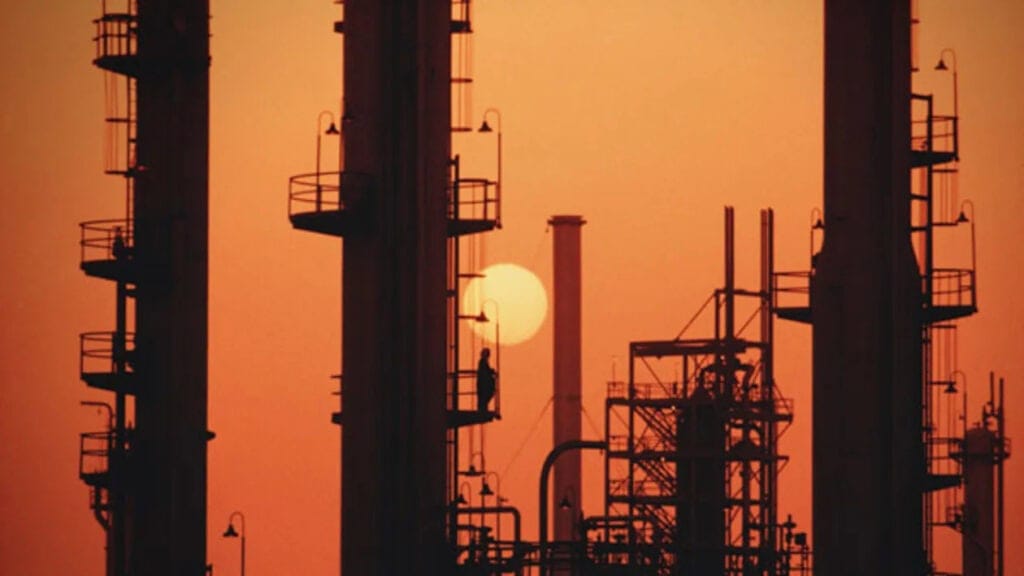
Strategic petroleum reserves are one of the most important tools governments have to manage energy crises.
Countries such as the United States, Japan, South Korea, and many European nations maintain large emergency oil stockpiles specifically for supply disruptions.
The IEA strategic oil reserves release mechanism allows these countries to coordinate emergency actions when global markets face severe shortages.
The goal is to:
The International Energy Agency coordinates these actions among its member countries.
Because oil markets are highly interconnected, coordinated releases can have a powerful stabilizing effect.
For more information: https://www.iea.org
If implemented, the IEA strategic oil reserves release could significantly influence global oil prices.
Energy markets typically react quickly to announcements of large emergency stock releases. Increased supply can temporarily ease price pressures and reduce market volatility.
However, analysts warn that reserve releases are generally short-term solutions, not permanent fixes.
If underlying supply disruptions persist, oil prices could eventually rise again after the reserves are depleted.
Financial outlets such as Bloomberg note that traders closely monitor government reserve levels because they serve as a critical buffer during global supply crises.
For more information: https://www.bloomberg.com/energy
The potential IEA strategic oil reserves release therefore reflects both immediate concerns about supply risks and the need to protect the broader global economy.
The possibility of a large IEA strategic oil reserves release highlights the fragile balance of the global energy system.
Modern economies rely heavily on stable oil supplies for transportation, manufacturing, and electricity generation.
If supply disruptions continue or worsen, the consequences could include:
For this reason, policymakers are closely monitoring geopolitical developments that could threaten oil production or transportation.
The IEA strategic oil reserves release is being discussed precisely to prevent these risks from escalating into a full-scale energy crisis.
The potential IEA strategic oil reserves release represents a powerful emergency tool that governments may use to protect global markets from severe energy shocks.
With policymakers considering a release that could exceed the 182-million-barrel intervention in 2022, the move would mark one of the largest coordinated actions in the history of global energy markets.
While such a release could help stabilize prices in the short term, it also highlights the growing concern among energy leaders about supply disruptions in a fragile geopolitical environment.
As global demand for energy continues to rise, maintaining reliable supply chains and protecting strategic reserves will remain essential for economic stability.

