

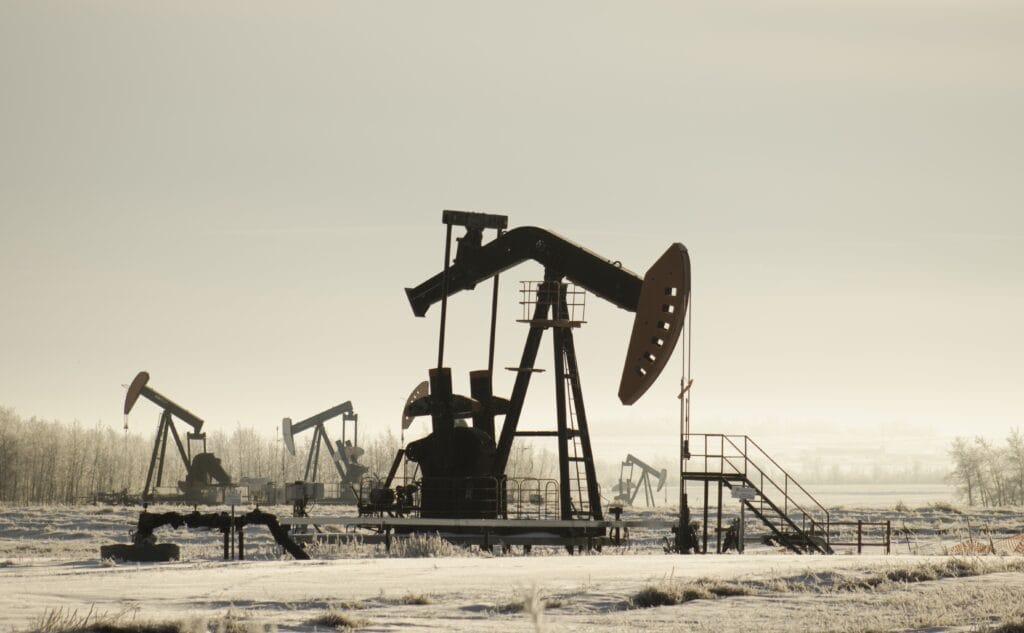
Oil prices drop after OPEC+ agreed to raise oil production for August, sending crude prices lower and putting pressure on energy markets. The latest decision by the world's largest oil-producing alliance comes as global demand remains uncertain while supply continues to increase.
Brent crude and West Texas Intermediate (WTI) both moved lower following the announcement, with investors reassessing the balance between supply and demand.
For forex traders, the move is equally important, as lower oil prices can influence commodity-linked currencies, inflation expectations, and central bank policies.
Whether you trade forex, commodities, or indices, understanding why Oil prices drop today could help you prepare for the next major market move.
The primary reason Oil prices drop is OPEC+'s latest agreement to increase oil production beginning in August.
The alliance, led by Saudi Arabia and Russia, has gradually been restoring production that was previously cut to support prices. With additional barrels expected to enter the market, traders anticipate a larger global oil supply.
When supply increases faster than demand, oil prices generally come under pressure. Investors reacted quickly by selling crude futures, causing Brent and WTI prices to decline.
Market participants are also monitoring global economic growth. Slower manufacturing activity in several major economies has raised concerns that future oil demand may not be strong enough to absorb the extra supply.
The latest OPEC+ meeting resulted in another production increase for August, continuing the group's strategy of gradually unwinding voluntary production cuts introduced over the past two years.
The organization believes the global oil market remains relatively balanced.
However, traders remain cautious as increasing production could lead to an oversupplied market if economic growth slows further.
According to Reports, the production increase exceeded some market expectations, adding downward pressure on crude prices.
For official production data and market updates, visit:
Whenever oil prices drop, the effects extend well beyond the energy sector.
Several major currencies are closely linked to oil exports.
For example:
Lower oil prices can also strengthen or weaken the U.S. dollar depending on broader market sentiment and expectations for Federal Reserve interest rate decisions.
Forex traders should closely monitor currency pairs such as USD/CAD, USD/NOK, and even broader risk-sensitive pairs whenever significant movements occur in crude oil.
Another important reason why oil prices drop matters is its relationship with inflation.
Energy costs are a major component of consumer inflation worldwide. Lower crude oil prices often lead to cheaper fuel and transportation costs over time.
If inflation continues easing, central banks such as the Federal Reserve, European Central Bank, and Bank of England could face less pressure to keep interest rates elevated.
This could eventually influence bond yields, stock markets, gold prices, and the overall direction of the U.S. dollar.
Although one day's move is not enough to change monetary policy, sustained weakness in oil could become an important factor in future rate decisions.
The outlook for crude oil remains mixed.
On one hand, increased OPEC+ production adds more supply to global markets, which could keep prices under pressure.
On the other hand, geopolitical risks, hurricane season disruptions, unexpected supply outages, or stronger-than-expected economic growth could quickly support oil prices again.
Traders should also keep an eye on:
These factors are likely to determine whether oil prices drop further or stage a recovery in the coming weeks.
Today's move highlights how closely connected commodities and forex markets have become.
As oil prices drop following OPEC+'s decision to increase August production, traders should remain alert to the ripple effects across currencies, inflation, and central bank expectations.
For forex traders, understanding these macroeconomic developments provides valuable insight into market sentiment and potential trading opportunities beyond crude oil itself.
At FX Axe, we continue to monitor the latest developments in forex, commodities, cryptocurrencies, and global financial markets to help traders stay informed and make smarter trading decisions.
Join the FX Axe community on Telegram for real-time market updates, breaking forex news, and daily trading insights.

