

Pakistan airstrikes in Afghanistan February 27, 2026 marked a significant escalation between the two neighboring countries. Pakistani forces conducted multiple airstrikes across Kabul, Kandahar, Paktia, and several eastern provinces. According to official statements, the strikes targeted militant camps, ammunition depots, and military infrastructure allegedly linked to cross-border attacks on Pakistani security posts.
Afghan authorities reported casualties and retaliatory clashes along the Durand Line, intensifying tensions and raising concerns of broader regional instability.

Islamabad stated that the Pakistan airstrikes in Afghanistan February 27, 2026 were a direct response to escalating cross-border militant attacks targeting military posts inside Pakistan. Tensions along the Durand Line have periodically flared, but this operation represents one of the most serious escalations in recent months.
The strikes reportedly focused on Taliban-affiliated and militant infrastructure believed to be facilitating operations against Pakistani forces.
For geopolitical background, investors often monitor updates from institutions like the United Nations and regional security assessments from the International Crisis Group.
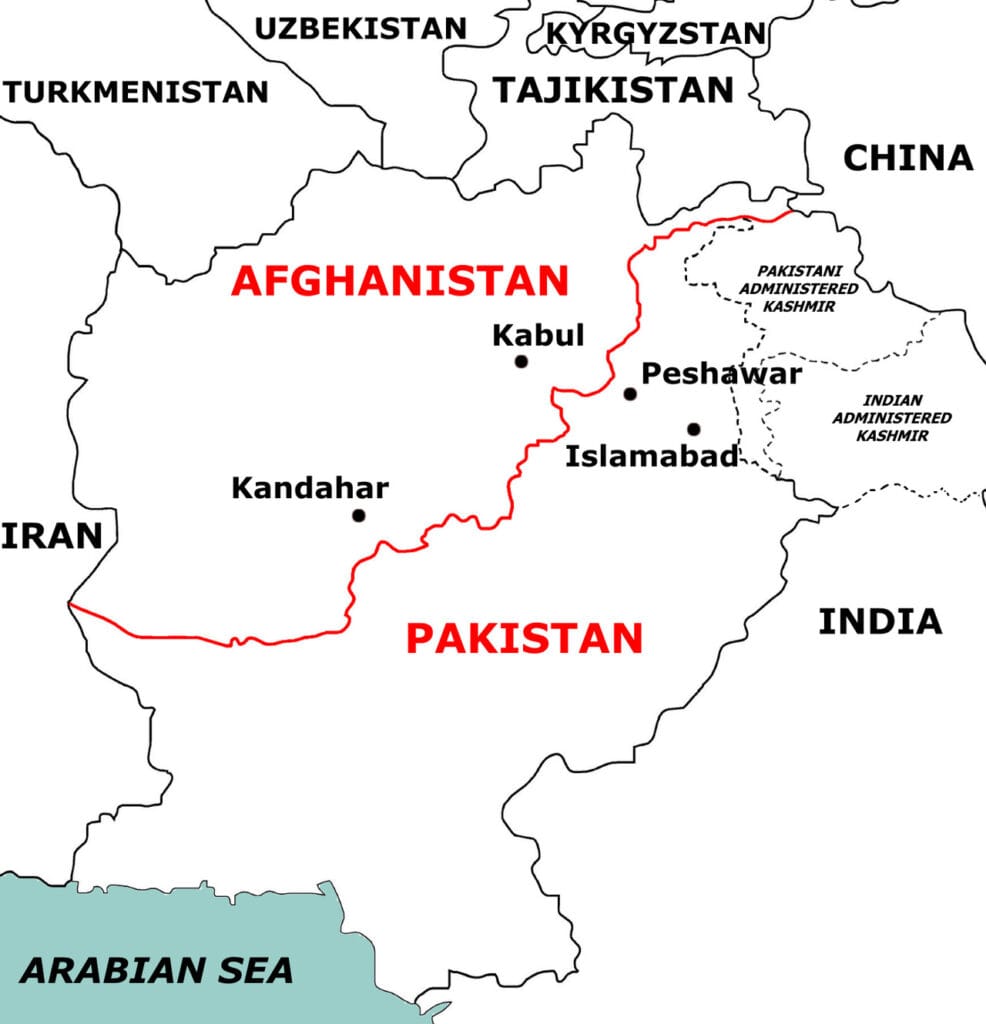
Afghan authorities condemned the Pakistan airstrikes in Afghanistan February 27, 2026, citing civilian casualties and sovereignty violations. Reports of retaliatory exchanges along the Durand Line have further heightened tensions.
While both sides have previously engaged in diplomatic efforts to ease border disputes, this incident represents a significant deterioration in bilateral relations.
Geopolitical shocks like the Pakistan airstrikes in Afghanistan February 27, 2026 often trigger risk-off sentiment in global markets.
Here’s what typically happens during such escalations:
Investors closely track safe-haven flows into gold and U.S. Treasuries. For example, gold price trends can be monitored via the World Gold Council, while bond market movements are reflected in U.S. Treasury yields.
The Pakistan airstrikes in Afghanistan February 27, 2026 could drive demand for gold, the U.S. dollar, and government bonds as investors seek safety.
While Afghanistan is not a major oil producer, regional instability in South and Central Asia can heighten broader geopolitical risk premiums. Oil markets often react sharply to uncertainty.
Risk-off sentiment may weaken emerging-market currencies and equities as capital flows shift toward developed markets.
Geopolitical escalations increase borrowing costs and widen credit spreads, impacting corporate financing globally.
Even localized conflicts can reduce global investor confidence, especially when occurring in strategically sensitive regions.
For more on managing volatility during geopolitical crises, read our internal guide on risk management strategies.
You can also explore macroeconomic indicators through the International Monetary Fund for broader context on emerging-market vulnerability.
As the situation develops, traders should watch:
The Pakistan airstrikes in Afghanistan February 27, 2026 represent more than a regional security issue—they are a reminder of how quickly geopolitical risk can spill into global financial markets.
The Pakistan airstrikes in Afghanistan February 27, 2026 have intensified regional tensions and injected uncertainty into global markets. While the full economic impact remains unclear, investors must prepare for heightened volatility and shifting risk appetite.
In times like these, disciplined risk management, portfolio diversification, and close monitoring of geopolitical developments become essential.
Stay informed. Stay prepared. Manage risk wisely.

