

Trump Iran Oil Hub Strike: Why the Latest Threat Could Shake Global Oil Markets
The Trump Iran Oil Hub Strike discussion has quickly become a major topic in global financial and geopolitical circles. Former U.S. President Donald Trump recently suggested that the United States could strike Iran’s main oil export hub on Kharg Island again — even saying it could happen “just for fun.”
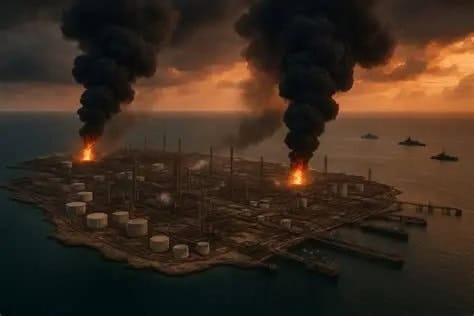
The remark comes during rising tensions in the Middle East after recent strikes on Iranian energy infrastructure. Because Kharg Island handles the majority of Iran’s crude oil exports, any potential attack could send shockwaves through the global energy market.
In this article, we examine why the Trump Iran Oil Hub Strike comments matter, how they could affect global oil supply, and what it means for investors watching gold, the U.S. dollar, and energy prices.

Kharg Island is Iran’s most important oil export terminal, located in the Persian Gulf. According to global energy analysts, roughly 90% of Iran’s crude exports pass through this facility.
Because of its strategic importance, Kharg Island has long been viewed as a critical vulnerability in Iran’s energy infrastructure.
If a Trump Iran Oil Hub Strike were to target Kharg Island again, the consequences could be immediate:
For more insight on global energy flows, see the analysis by the International Energy Agency (IEA).
The Trump Iran Oil Hub Strike comments stand out because they frame a possible military action in unusually casual terms.
Trump suggested the U.S. could strike the facility again — even saying it might happen “just for fun.” While such remarks may be rhetorical, markets tend to react strongly to geopolitical uncertainty.
Energy markets are particularly sensitive to events involving Iran and the Persian Gulf, where a significant share of the world’s oil supply is produced or transported.
Historically, even minor disruptions or threats in the region have triggered rapid price swings.
One of the most immediate effects of a Trump Iran Oil Hub Strike could be a spike in crude oil prices.
There are several reasons for this:
If exports from Kharg Island were interrupted, analysts warn that global oil prices could rise sharply.
According to Bloomberg energy coverage, geopolitical shocks frequently lead to sudden increases in oil volatility.
Beyond oil markets, the Trump Iran Oil Hub Strike scenario could ripple across other financial assets.
Gold often rises during geopolitical crises because investors seek safe-haven assets.
A potential military escalation involving Iran could therefore drive strong demand for gold, pushing prices higher.
The U.S. dollar may also experience volatility. While it can strengthen during global uncertainty, energy shocks can create mixed reactions in currency markets.
This dynamic means traders are closely watching how the Trump Iran Oil Hub Strike discussion evolves.
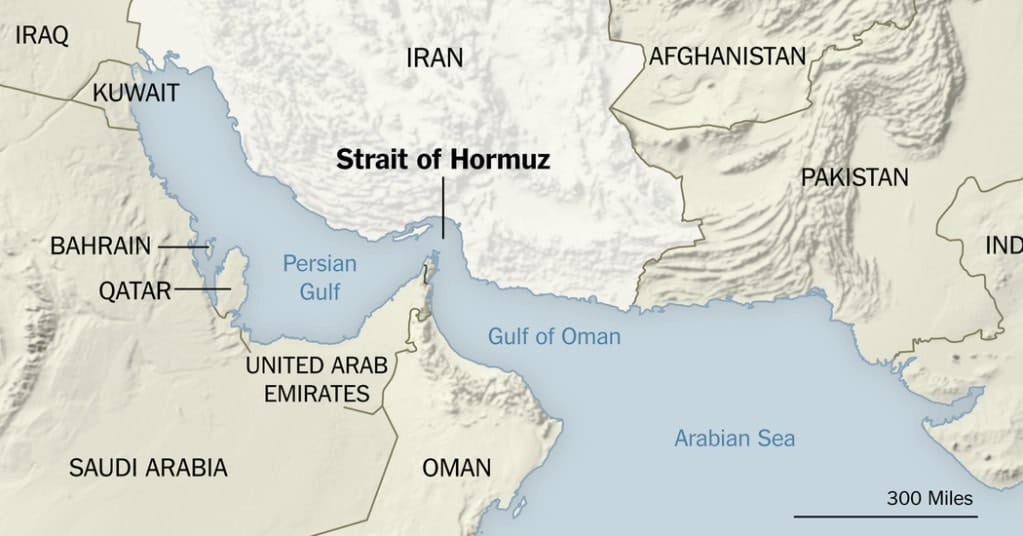
The situation becomes even more serious when considering the Strait of Hormuz.
This narrow shipping route connects the Persian Gulf to global markets and carries about one-fifth of the world’s oil supply.
If tensions escalate following a Trump Iran Oil Hub Strike, Iran could respond by threatening shipping in the Strait of Hormuz.
Such a move could:
You can read more about the strategic importance of the Strait of Hormuz via the U.S. Energy Information Administration (EIA).
The Trump Iran Oil Hub Strike discussion highlights how quickly geopolitical rhetoric can affect global markets.
Key developments investors should monitor include:
While the comments alone may not lead to immediate action, the risk premium in energy markets could increase if tensions continue to rise.
The Trump Iran Oil Hub Strike comments have added a new layer of uncertainty to an already tense geopolitical environment.
Because Kharg Island plays a central role in Iran’s oil exports, any disruption could have significant global economic consequences — from higher energy prices to increased volatility in gold and currency markets.
For traders, investors, and policymakers alike, the situation underscores the powerful link between geopolitics and global financial markets.

