


Trump Iran threats have pushed global markets onto edge as U.S. President Donald Trump issued a stark 48‑hour ultimatum demanding Iran reopen the Strait of Hormuz by Tuesday evening, or face strikes on critical infrastructure including power plants and bridges. The deadline — set for 8:00 P.M. Eastern Time Tuesday — was confirmed in an interview with the Wall Street Journal and reinforced on social media.
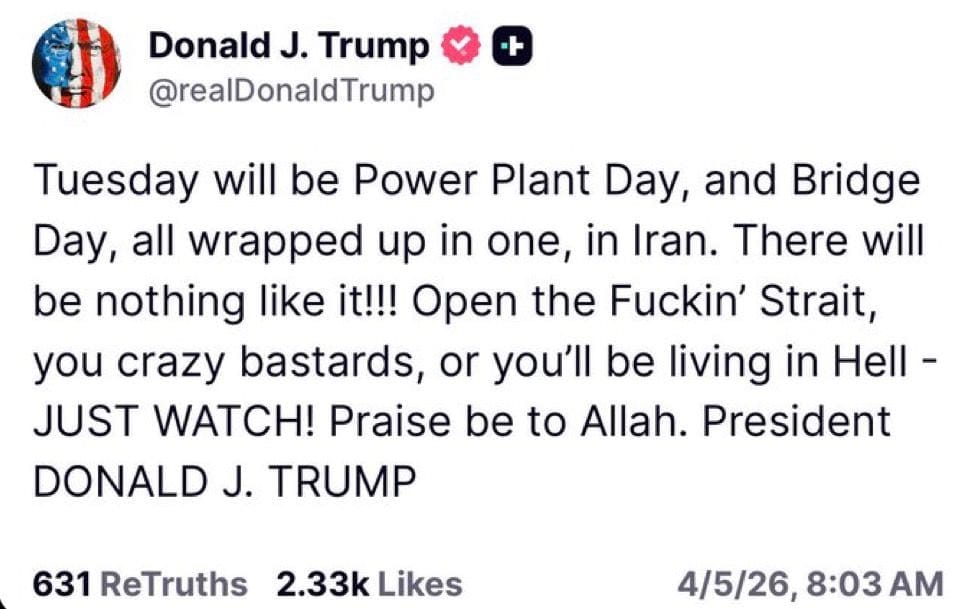
Trump’s rhetoric marks one of the most dramatic escalations of this conflict, blending raw pressure, profanity, and geopolitical brinkmanship in a way few traders anticipated. Iran has stood firm, rejecting the ultimatum, describing it as “unbalanced,” and insisting there will be no compliance without compensation and negotiation.
The Trump Iran threats have already impacted markets, especially energy sectors:
This volatile backdrop reflects the reality that the Strait of Hormuz accounts for roughly 20 % of global traded oil, meaning any real disruption can ripple through supply chains, inflation expectations, and currency markets.
For up‑to‑date energy pricing, see Investing.com.
Here are the 5 key signals every trader should monitor before the deadline arrives:
Will Iran shift its stance under pressure? Tehran’s leadership has rejected Trump’s ultimatum, calling it “unbalanced.” Any hint of dialogue or compromise could calm markets temporarily.
Breakouts above key resistance in Brent or WTI could indicate deeper fear pricing in — while sharp pullbacks might signal a short-term de-risking move. Watch volume spikes as well, since these often precede sustained trends.
Risk assets often suffer during geopolitical shock. Look at major indices and volatility indexes (VIX, Asia-Pacific volatility) for early warning signs.
Gold, U.S. Treasuries, and other havens typically benefit when uncertainty spikes. Traders can gauge market fear through sudden inflows into these assets.
Actual tanker movements will reveal real supply constraints beyond Trump’s rhetoric. Satellite reports and shipping updates may become more influential than financial news in the next 48 hours.
For live geopolitical updates, see Reuters.
Either path could bring major swings. Traders should be prepared for both breakout and breakdown scenarios.
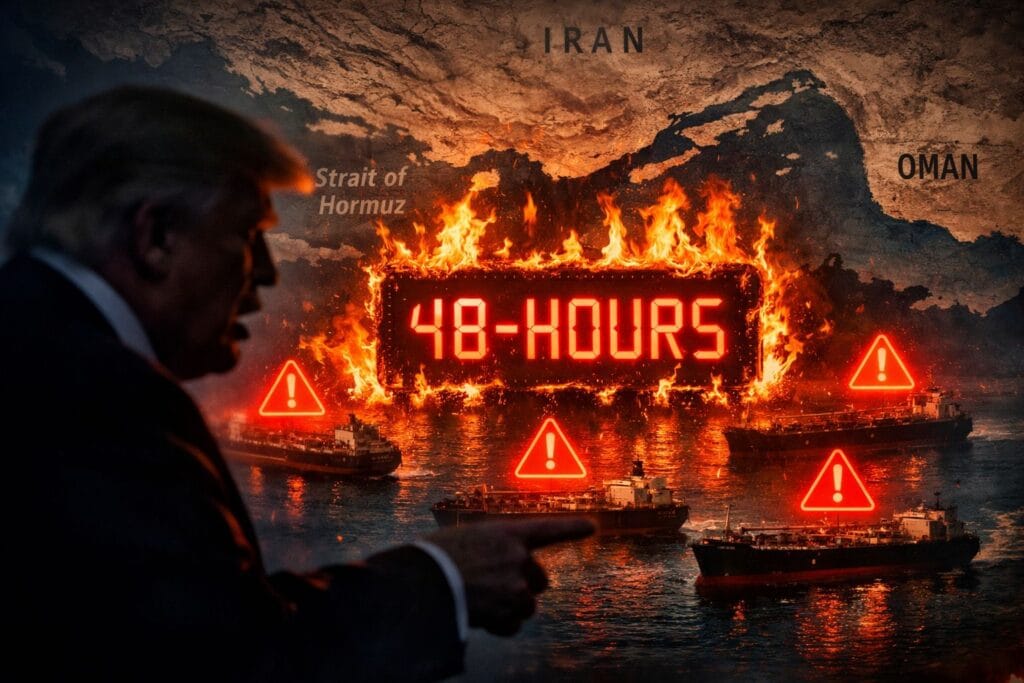
The Trump's 48‑hour ultimatum threat on Iran has turned geopolitical tension into a live market driver. With the Tuesday deadline approaching, traders must watch diplomatic developments, oil and safe‑haven price action, and risk sentiment across asset classes. Whether this plays out as high‑stakes diplomacy or real escalation, the countdown is now a core part of global market pricing — and no trader can afford to ignore it.
Further Reading for Traders

