

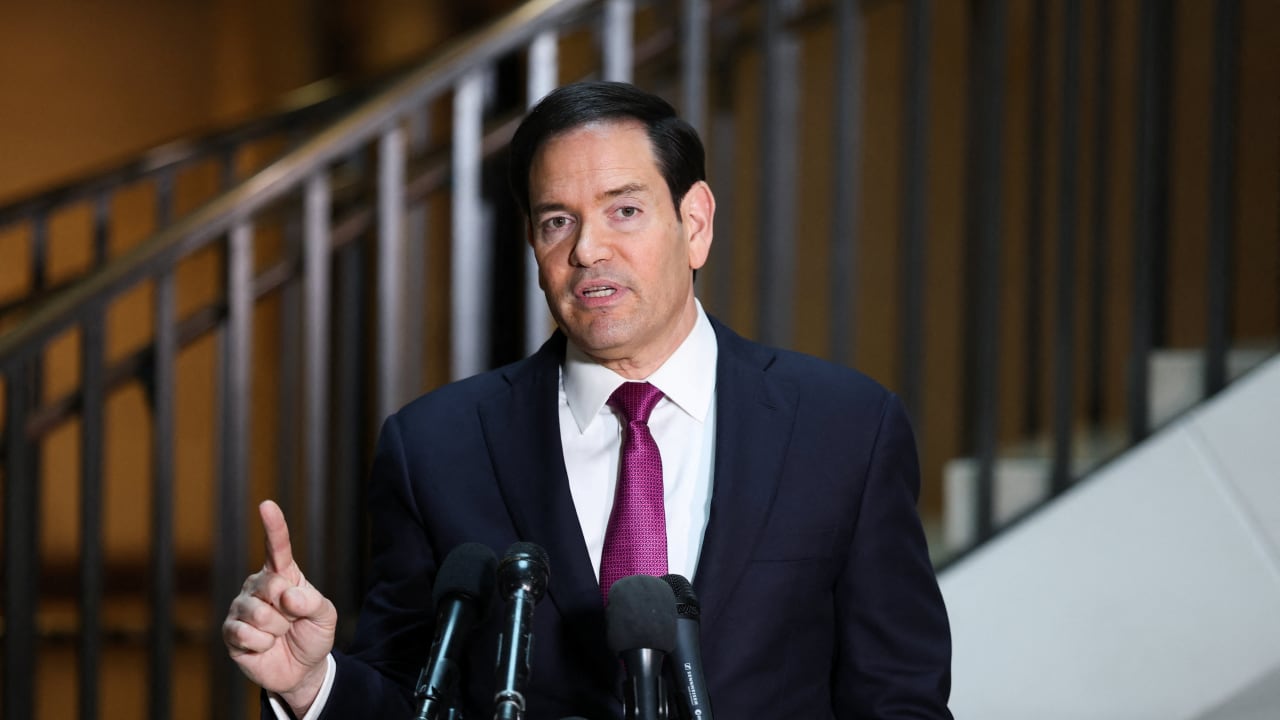
US Urges Citizens to Leave the Middle East in a powerful security warning that signals heightened geopolitical risk across the region. The advisory, issued by the U.S. Department of State, calls on American citizens in certain Middle Eastern countries to depart immediately while commercial flights are still operating.
This type of directive is not routine. When the United States urges its citizens to leave a region, it typically reflects credible intelligence about escalating threats, potential military activity, or instability that could rapidly deteriorate.
For travelers, it is a safety precaution. For global markets, it is a high-impact risk event.
When headlines read US Urges Citizens to Leave the Middle East, it often follows a combination of strategic, diplomatic, and security developments. Historically, such advisories have been linked to:
The US travel advisory system includes four levels, with Level 4 representing “Do Not Travel.” According to official guidance available at Travel.State.Gov is reserved for situations involving severe and immediate risks.
In some cases, non-essential embassy staff are withdrawn before broader public advisories are announced. This sequence often signals elevated caution from Washington.
Whenever the US Urges Citizens to Leave the Middle East, crude oil markets respond almost instantly.
The Middle East remains central to global energy production. Major exporters such as Saudi Arabia, Iraq, and United Arab Emirates supply a significant share of global crude.
A critical chokepoint is the Strait of Hormuz, through which nearly 20% of the world’s oil supply passes daily. Any threat to this corridor can send prices sharply higher.
Even without physical disruption, markets price in a “risk premium.” Traders anticipate potential supply constraints and bid oil futures upward. Real-time energy updates from platforms like Reuters Commodities and Bloomberg Energy are closely watched during such events.
If tensions escalate further, oil volatility could intensify rapidly.
When the headline states US Urges Citizens to Leave the Middle East, investor psychology shifts toward caution.
Safe-haven assets typically benefit, including:
Gold often sees the most immediate upside reaction. Geopolitical uncertainty increases demand for tangible stores of value. At the same time, global equity markets may experience short-term volatility as investors reduce exposure to risk-sensitive assets.
Currency markets can also react sharply, particularly oil-linked currencies and emerging market pairs.
The announcement that the US Urges Citizens to Leave the Middle East highlights several critical risk factors:
Financial centers such as Dubai and Riyadh are closely observed during such periods, given their strategic economic importance.
Each of these risks can ripple through commodities, forex, equities, and bond markets.
While higher oil prices can temporarily benefit exporting nations, prolonged instability may:
Countries heavily dependent on energy exports may experience short-term fiscal gains, but sustained geopolitical stress can undermine investor confidence.
Markets balance these competing forces carefully.
After the announcement that the US Urges Citizens to Leave the Middle East, global markets will focus on:
It is important to note that not every advisory results in open conflict. Sometimes these warnings are precautionary measures based on intelligence assessments designed to mitigate risk before escalation occurs.
However, financial markets react to probability — not certainty.
The message that the US Urges Citizens to Leave the Middle East is a serious geopolitical signal. Whether tensions de-escalate or intensify will determine the trajectory of oil prices, gold demand, and global risk appetite.
For traders:
In volatile geopolitical environments, preparation and disciplined risk management are essential. Markets can shift within minutes, and headlines can drive rapid repricing across asset classes.
For now, the world watches closely as developments unfold — aware that in global finance, geopolitical signals often move markets before events fully materialize.

