

USD/JPY falls below 157.00 after Japan and the United States officially confirmed they carried out a joint yen-buying intervention in the foreign exchange market. The confirmation gave the Japanese yen another boost, helping it post gains for a third consecutive trading session while keeping traders alert for the possibility of more intervention in the coming days.
The announcement removed much of the speculation that surrounded recent price action. Market participants had suspected authorities were supporting the yen, but confirmation from official sources made the move far more significant. As a result, the dollar weakened against the Japanese currency, with investors reassessing their positions after weeks of heavy demand for the U.S. dollar.
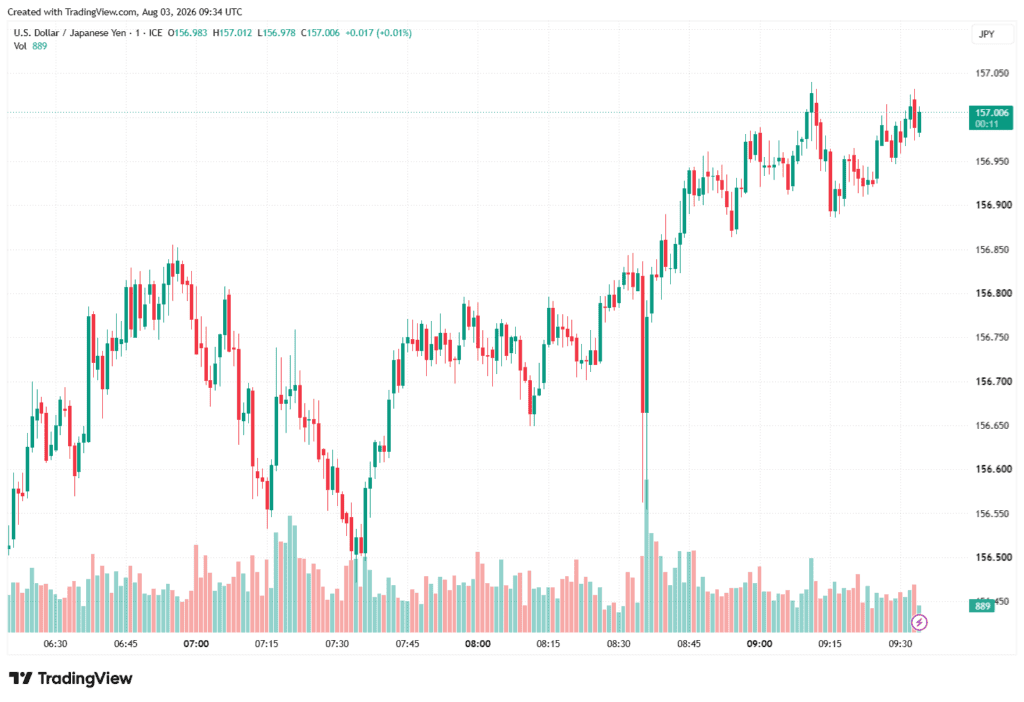
The main reason USD/JPY falls below 157.00 is that Japanese authorities stepped into the market to strengthen the yen. The intervention was also supported by the United States, making it a coordinated effort rather than a unilateral action.
Governments rarely intervene in currency markets unless they believe price movements have become excessive or disorderly. In recent months, the yen had remained under pressure because U.S. interest rates stayed higher than Japan's, encouraging investors to hold dollars instead of yen.
That wide interest rate gap pushed USD/JPY steadily higher. However, Japanese officials repeatedly warned they would take action if speculative trading created excessive volatility. Their latest move shows they were prepared to follow through on those warnings.
According to reports, officials confirmed the joint intervention after markets had already begun noticing unusual trading activity, giving traders greater confidence that authorities remain committed to stabilizing the currency market.
In recent months, the yen had remained under pressure because U.S. interest rates stayed higher than Japan's, encouraging investors to hold dollars instead of yen. If you're new to forex, here's a detailed guide on how interest rates affect the forex market.
Another reason USD/JPY falls below 157.00 is that a weaker yen creates several economic challenges for Japan.
Although a weaker currency can help exporters by making Japanese products cheaper overseas, it also raises the cost of imported goods such as fuel, food, and raw materials. That increases costs for businesses and households, putting additional pressure on inflation.
Officials have repeatedly said they are not targeting a specific exchange rate. Instead, they want to prevent rapid and disorderly movements that could damage confidence in financial markets.
The joint intervention also sends a strong message to currency traders that authorities are closely monitoring speculative activity and are willing to act again if necessary.
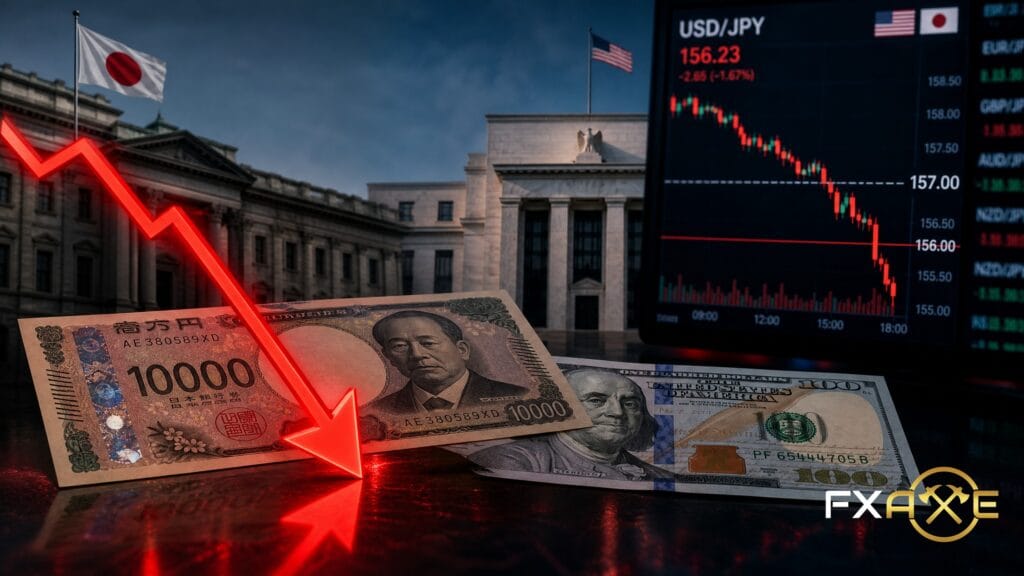
Once confirmation was released, USD/JPY falls below 157.00 became one of the biggest talking points in the forex market.
The Japanese yen strengthened immediately, extending its rally into a third straight session. Traders who had previously expected further dollar gains began reducing their positions, creating additional buying pressure for the yen.
The move also increased volatility across Asian trading hours, with investors paying close attention to every statement from government officials.
Although interventions do not always create long-term trends, they often trigger sharp short-term moves because they force traders to rethink existing positions.
The fact that both Japan and the United States confirmed the action gave markets greater confidence that authorities could step in again if conditions become unstable.
Whenever USD/JPY falls below 157.00, traders should remember that government intervention can quickly change market direction.
Economic data and central bank decisions remain important, but official intervention adds another layer of uncertainty.
If you trade USD/JPY, there are several factors worth watching:
Good risk management becomes even more important during periods like this. Large price swings can happen within minutes whenever new comments or official announcements reach the market.
Rather than chasing sharp moves, experienced traders often wait for volatility to settle before looking for new opportunities.
Whether USD/JPY falls below 157.00 again in the coming sessions will depend on more than intervention alone.
The biggest driver remains the difference between U.S. and Japanese interest rates. If investors continue expecting higher U.S. yields, demand for the dollar may eventually return.
However, traders are now far more cautious about aggressively selling the yen because authorities have shown they are willing to act.
Markets will also watch upcoming economic data from both countries to determine whether monetary policy expectations begin shifting in favour of the Japanese currency.
For now, intervention has successfully slowed the dollar's advance, but longer-term direction will still depend on economic fundamentals.
The fact that USD/JPY falls below 157.00 following a confirmed joint intervention highlights how powerful coordinated government action can be in the foreign exchange market.
While interest rates remain the biggest long-term driver of currency prices, official intervention can quickly shift market sentiment and create significant short-term volatility.
For forex traders, this serves as another reminder that successful trading requires more than reading charts. Understanding economic events, government policy, and central bank actions is equally important when navigating fast-moving markets.
As always, keep an eye on official announcements, manage your risk carefully, and avoid assuming that strong trends will continue uninterrupted during periods of intervention.
To stay updated with the latest forex news, broker reviews, and beginner-friendly trading education, subscribe to the FX Axe YouTube channel.

