

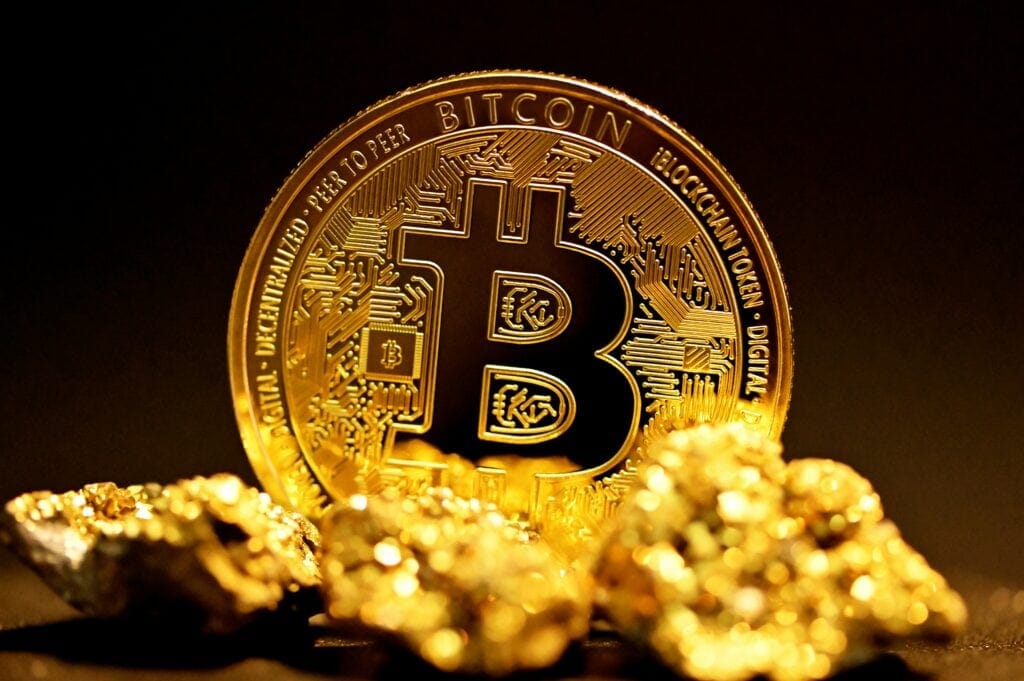
Understanding what is Bitcoin starts with recognizing it as the first decentralized digital currency ever created. When people ask what is Bitcoin, they are usually referring to a global financial system that operates without banks, governments, or intermediaries.
Bitcoin was introduced in 2009 by an anonymous creator known as Satoshi Nakamoto. Since then, it has evolved into one of the most influential digital assets in the world. Today, what is Bitcoin is not just a technical question but also a financial one, as it plays a major role in global markets.
To understand what is Bitcoin, it is important to know that it is a peer-to-peer digital currency that allows users to send and receive value over the internet. Unlike traditional money, Bitcoin is not controlled by any central authority.
What is Bitcoin in practical terms? It is a decentralized system built on blockchain technology that ensures transparency and security without the need for banks.
Bitcoin stands out from traditional financial assets due to several unique characteristics:
Decentralization
No central bank or government controls Bitcoin. It operates on a global distributed network.
Limited Supply
Only 21 million Bitcoin will ever exist. This fixed supply creates scarcity, which is a key factor in its long-term valuation narrative.
Transparency
All transactions are publicly recorded on the blockchain, allowing anyone to verify activity in real time.
Security
Bitcoin uses advanced cryptographic protocols, making it extremely difficult to alter or counterfeit transactions.
Global Accessibility
Anyone with an internet connection can use Bitcoin, regardless of geographic location or banking access.
To deepen understanding of what is Bitcoin, readers can explore trusted source here.
Bitcoin has evolved from a niche technological experiment into a globally traded financial asset. It plays an increasingly important role in modern markets, particularly within the cryptocurrency sector.
In financial discussions, Bitcoin is often compared to gold due to its scarcity and perceived ability to store value over time. This has led to the popular narrative of Bitcoin as “digital gold.”
At the same time, Bitcoin is also considered a risk asset. Its price is influenced by factors such as interest rates, liquidity conditions, investor sentiment, and broader macroeconomic trends.
Movements in Bitcoin often impact the wider cryptocurrency market, including altcoins and blockchain-related equities.
Bitcoin has several real-world applications:
Payments: Some merchants and online platforms accept Bitcoin as a payment method.
Cross-border transfers: Bitcoin enables fast international transactions without traditional banking delays.
Investment asset: Many investors buy Bitcoin as part of a diversified portfolio.
Long-term holding: A segment of investors holds Bitcoin expecting long-term appreciation.
While adoption is still growing, institutional interest has increased significantly in recent years, contributing to its integration into mainstream finance.
Despite its advantages, Bitcoin carries notable risks that investors and users should understand.
The most significant is volatility. Bitcoin’s price can experience sharp fluctuations within short periods, making it a high-risk asset compared to traditional currencies.
Regulation is another key factor. Governments around the world continue to develop policies around cryptocurrencies, and regulatory changes can significantly impact market behavior.
Security also depends on user responsibility. Unlike bank accounts, Bitcoin holdings are stored in digital wallets, and loss of private keys can result in permanent loss of funds.
Additionally, Bitcoin mining has been criticized for its energy consumption, although ongoing developments aim to improve efficiency.
Bitcoin continues to play a central role in the evolution of digital finance. Its adoption is expanding through institutional investment products, payment integrations, and growing public awareness.
As global financial systems increasingly explore blockchain technology, Bitcoin remains the leading reference point in the cryptocurrency space. However, its long-term role will depend on regulatory clarity, technological development, and continued market adoption.
Bitcoin is the first decentralized cryptocurrency, built on blockchain technology and designed to operate without intermediaries. It has reshaped how people think about money, value transfer, and financial independence.
While it offers innovation and global accessibility, it also comes with volatility and regulatory uncertainty. Understanding Bitcoin is essential for anyone following modern financial markets or the expanding digital asset economy.

