


Understanding how to read economic calendars is one of the most important skills beginner traders can develop. Whether someone trades forex, stocks, commodities, or cryptocurrencies, economic calendars help explain why markets suddenly become volatile and why prices move sharply during certain hours.
Many beginners ignore economic calendars entirely, while others become overwhelmed by the amount of data shown on trading platforms. However, learning how to read economic calendars does not require an economics degree. What matters is understanding which events matter most, what the numbers mean, and why traders pay attention to them.
Economic calendars are not prediction tools, and they should never be treated as guarantees of market direction. Instead, they are educational tools that help traders stay informed about upcoming financial events and changing economic conditions.
An economic calendar is a schedule of important financial events, reports, and economic announcements that may impact global markets.
These events are usually released by governments, central banks, and financial institutions. Traders use economic calendars to monitor upcoming announcements that may increase market volatility.
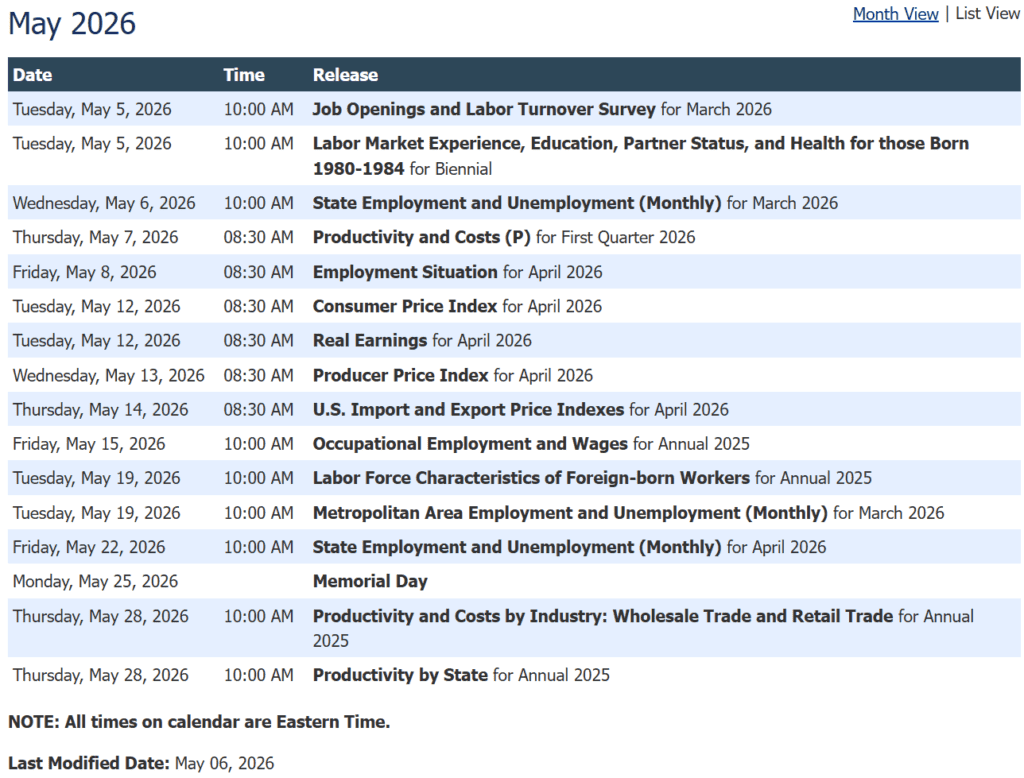
Most economic calendars include:
Learning how to read economic calendars properly helps traders prepare for periods of higher market activity instead of being caught by surprise.
Financial markets react to information. Economic data gives traders clues about inflation, employment, consumer spending, and overall economic growth.
For example:
Major institutions such as the Federal Reserve and the European Central Bank closely monitor economic data before making monetary policy decisions.
This is why traders monitor economic calendars carefully throughout the week.
When learning how to read economic calendars, it is important to know which reports usually create the biggest market reactions.
Central banks announce interest rate decisions regularly. These announcements often create strong volatility in forex, stock, and bond markets.
Interest rates influence borrowing costs, inflation, and economic growth.
The U.S. Non-Farm Payrolls report measures employment growth in the United States excluding farm workers.
This is one of the most closely watched economic releases in the forex market.
CPI measures inflation by tracking changes in consumer prices.
Higher-than-expected inflation can influence market expectations surrounding future interest rate changes.
GDP measures the total economic output of a country and is commonly used to evaluate economic growth.
Retail sales data reflects consumer spending activity, which is a major driver of many economies worldwide.
A key part of understanding how to read economic calendars is learning the meaning behind the data columns.
This shows the result from the last reporting period.
This is the expected result based on analyst predictions and market expectations.
This is the real reported figure released during the announcement.
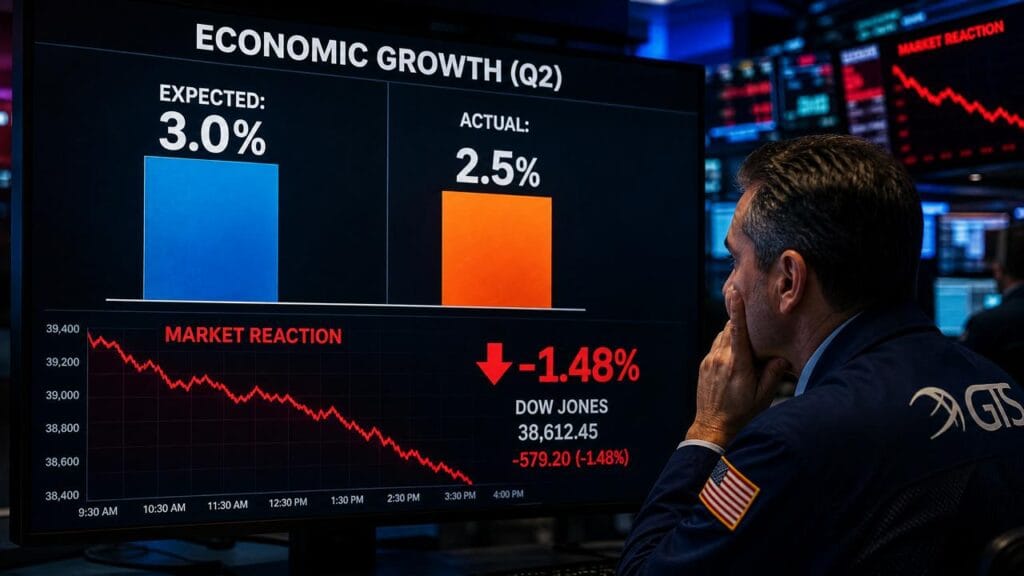
Markets often react based on the difference between the forecast and actual result rather than the headline itself.
For example, if inflation was expected at 3.0% but comes out at 2.5%, markets may react negatively even though inflation still increased overall.
One of the biggest mistakes beginners make when learning how to read economic calendars is focusing only on whether data is “good” or “bad.”
Financial markets care more about expectations versus reality.
A stronger-than-expected report may create volatility even if the economy was already performing well.
Likewise, weaker-than-expected data may negatively affect market sentiment even if the numbers still appear positive overall.
This is why experienced traders compare:
Understanding this context is essential when interpreting economic reports responsibly.
Here are some common mistakes traders make when using economic calendars:
Learning how to read economic calendars takes time and practice.
Market reactions are influenced by expectations, investor sentiment, and broader economic conditions.
Learning how to read economic calendars is a valuable skill for anyone interested in financial markets. Economic calendars help traders understand why volatility increases, which economic reports matter most, and how global events influence investor sentiment.
However, economic calendars should always be used responsibly for educational purposes only.
They do not predict market direction, eliminate risk, or guarantee trading success.
By understanding economic reports, forecasts, and market expectations, beginners can develop stronger market awareness and improve their understanding of how global financial markets operate.
Read next:
How To Read NFP Like A Pro: 7 Beginner-Friendly Insights Every Trader Should Know
Breaking: US CPI Inflation Rises To 3.8% In April, Beating Expectations
Powerful Forex Guide: Australia Unemployment Rate Forex Impact Explained In 6 Key Trading Lessons

