

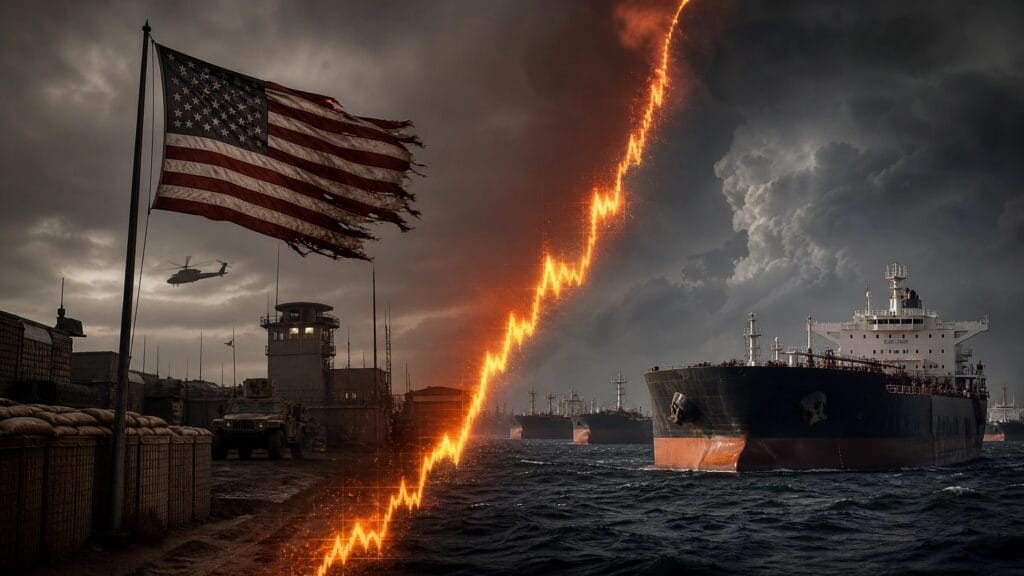
Oil tops $85 a barrel after fresh geopolitical tensions in the Middle East pushed energy markets sharply higher. Brent crude climbed above the $85 level as investors reacted to reports that U.S. President Donald Trump plans to reinstate a naval blockade targeting Iranian shipping through the Strait of Hormuz. The renewed conflict has increased fears of supply disruptions and added another layer of uncertainty to global financial markets.
For forex traders, this story is about much more than oil. Whenever oil tops $85 a barrel, it has the potential to influence inflation, central bank policy, currency movements, and overall market sentiment. Understanding these connections can help traders make sense of price action across multiple asset classes.
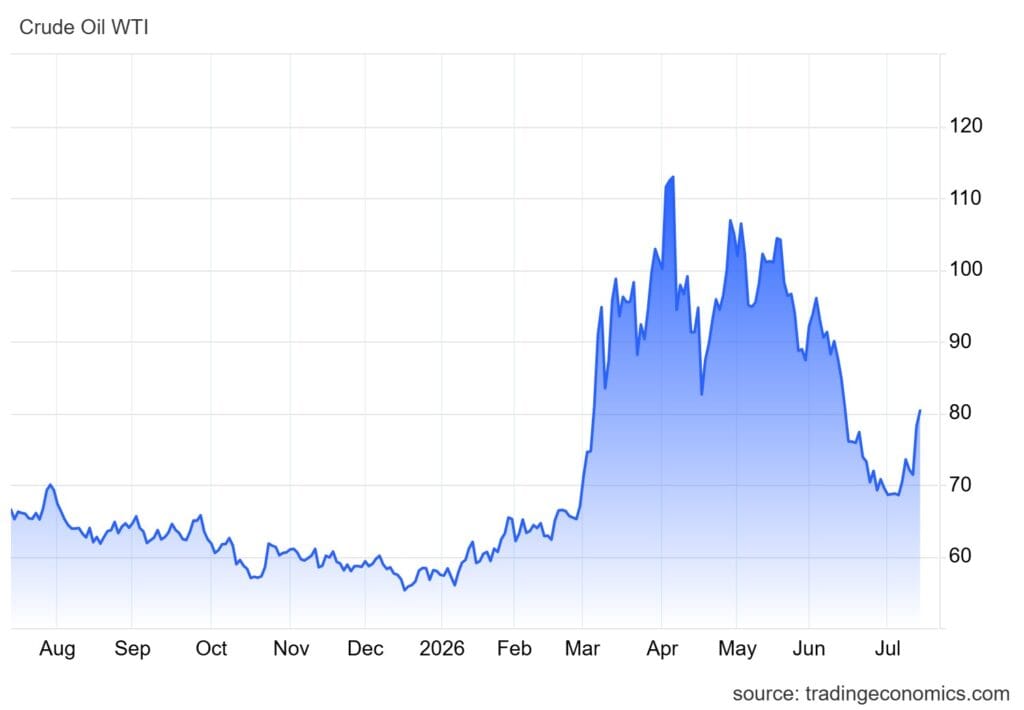
The latest rally comes after renewed military tensions between the United States and Iran. The Strait of Hormuz remains one of the world's most important energy chokepoints, carrying roughly one-fifth of global seaborne oil exports. Any disruption to shipping through this narrow passage can quickly trigger concerns about supply shortages and higher transportation costs.
As traders priced in these risks, oil tops $85 a barrel became one of the biggest market headlines of the day. Brent crude reached its highest level in about a month as investors rushed into the energy market while monitoring further developments in the region.
Many new traders hear about the Strait of Hormuz during periods of geopolitical tension but may not understand why it is so important.
The waterway connects the Persian Gulf with the Gulf of Oman and the Arabian Sea. It serves as a vital shipping route for oil exported from Saudi Arabia, Iraq, Kuwait, the United Arab Emirates, and other major producers.
When oil tops $85 a barrel because of risks around Hormuz, markets are reacting to the possibility that global supply could tighten. Even if exports are not immediately interrupted, uncertainty alone is often enough to lift crude prices.
That is why professional traders closely monitor geopolitical developments alongside traditional economic data.
It may seem like an oil story, but oil tops $85 a barrel can have wide-reaching effects on the forex market.
Higher oil prices often increase fuel, shipping, and manufacturing costs. Businesses may pass these costs on to consumers, leading to higher inflation.
If inflation remains elevated, central banks could decide to keep interest rates higher for longer. That possibility often supports the U.S. dollar because investors seek currencies backed by relatively higher interest rates.
Instead of looking only at crude oil charts, forex traders should consider how today's events could influence inflation expectations and future monetary policy decisions.
When oil tops $85 a barrel, several major currencies deserve extra attention.
The Canadian dollar is one of the first currencies traders watch because Canada is a leading oil exporter. Stronger crude prices can improve export revenues and support the Canadian economy.
The U.S. dollar may also remain firm if rising energy costs strengthen expectations that the Federal Reserve will maintain restrictive policy for longer.
Meanwhile, countries that import large amounts of energy may face additional economic pressure if oil prices continue to climb.
Currency pairs worth watching include:
Each pair may respond differently depending on inflation expectations, central bank comments, and broader market sentiment.
Many investors assume gold automatically rises whenever geopolitical tensions increase. However, the relationship is more complex.
While safe-haven demand can support gold, oil tops $85 a barrel may also push inflation expectations higher. If markets believe the Federal Reserve could delay interest rate cuts, the U.S. dollar and Treasury yields may strengthen, limiting gains in gold.
This is why traders should avoid relying on one headline alone. Successful market analysis considers several factors at the same time rather than focusing on a single event.
The oil rally is only one part of this week's market story.
Investors will continue watching:
If oil tops $85 a barrel for an extended period, inflation concerns could remain a key driver of global markets over the coming weeks.
Today's headlines remind traders that geopolitical events can quickly reshape financial markets. While oil tops $85 a barrel has captured attention, the bigger picture is how higher energy prices may affect inflation, central bank decisions, and currency movements.
Rather than reacting emotionally to breaking news, traders should combine fundamental analysis with sound risk management and technical confirmation before making trading decisions. Markets can remain volatile during periods of geopolitical uncertainty, making preparation more valuable than prediction.
Stay informed with the latest forex news, market analysis, and educational content by joining the FX Axe YouTube Channel.
Learn more:
5 Key Differences Between Stop Loss Vs Take Profit: How To Manage Forex Risk
How To Choose A Forex Broker In 2026: 10 Steps To Avoid Risky Trading Mistakes

