

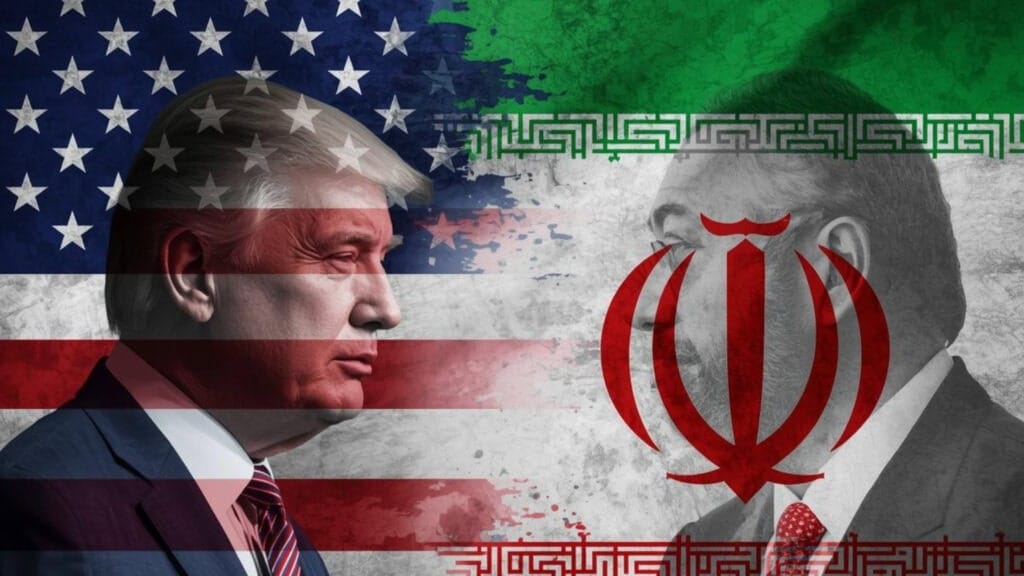
On February 17, 2026, the USD Outlook & Geopolitical Risk theme dominates global FX markets. Investors are carefully balancing geopolitical uncertainty with high-impact macroeconomic events. Asian markets opened cautiously during the Lunar New Year holiday, and thin liquidity amplified intraday volatility.
The US–Iran nuclear talks in Geneva continue to influence USD Outlook & Geopolitical Risk, keeping traders defensive. Meanwhile, the US dollar remains well-supported ahead of the Federal Reserve’s meeting minutes and preliminary GDP data, which could impact interest rate expectations and drive moves in EUR/USD, GBP/USD, and USD/JPY.
Traders remain focused on both tactical positioning and broader market sentiment, as USD Outlook & Geopolitical Risk factors dominate headline-driven flows.
Renewed negotiations in Geneva have heightened risk-off sentiment. Safe-haven currencies like USD, JPY, and CHF benefit, while higher-yielding currencies retreat. Oil price volatility adds pressure, influencing FX flows as traders hedge exposure to Middle East supply risks.
Japan’s GDP underperformance has limited upside for the yen despite safe-haven inflows. This divergence supports the USD and is a key component of USD Outlook & Geopolitical Risk narratives this week.
USD remains firm as traders position ahead of the FOMC minutes. Any indication that the Fed will delay rate cuts reinforces bullish USD flows across EUR/USD, GBP/USD, and other major pairs.
GDP growth will further influence the USD Outlook & Geopolitical Risk, as strong numbers support rate-hike expectations, while weaker data may trigger short-term USD pullbacks.
Thin liquidity during the Asian holiday season magnifies intraday volatility. Traders should watch for rapid moves driven by USD Outlook & Geopolitical Risk headlines, maintaining disciplined risk management.
Geopolitical risk remains front and centre of the USD Outlook & Geopolitical Risk narrative today. The second round of nuclear negotiations between the United States and Iran in Geneva has prompted caution, with Iran conducting naval drills near the Strait of Hormuz — a chokepoint that handles roughly 20% of global oil trade — ahead of talks.
These developments have supported traditional safe‑haven demand in:
The risk environment is compounded by oil price volatility: while Brent and WTI are holding moderate gains, uncertainty around supply and the outcome of negotiations keeps energy markets jittery. If talks falter, oil could spike further on supply fears; if progress is made, prices may retreat.
Gold has recently softened alongside the firmer dollar, as bullion becomes less attractive for holders of non‑USD currencies, reinforcing the narrative that the dollar remains the anchored safe‑haven in this current setup.
Alongside geopolitical pressures, the USD Outlook & Geopolitical Risk theme is deeply influenced by trader positioning around the expected release of the Federal Open Market Committee (FOMC) meeting minutes and preliminary U.S. GDP data later in the week. Markets are calibrating expectations for future rate decisions, particularly around whether the Federal Reserve will delay or advance rate cuts based on upcoming economic evidence.
USD pairs have shown the following shaping dynamics:
This positioning suggests traders are taking a guarded stance on the greenback until post‑data clarity arrives on growth and inflation expectations.
In light of the USD Outlook & Geopolitical Risk narrative, key technical patterns are emerging across major FX crosses:
Risk is elevated given thin holiday liquidity — sudden headlines can prompt outsized moves. For traders, this means tight risk controls and disciplined entries/exits are crucial.
Beyond FX, the macro landscape feeding into USD dynamics includes:
A clear thematic from the market flow right now is that headline risk is outweighing fundamentals — meaning FX moves are reactive, not predictive, with traders ready to pivot quickly on new data or news.
The current USD Outlook & Geopolitical Risk backdrop calls for a strategic, news‑responsive approach:
In essence, this volatile, event‑driven environment rewards disciplined traders who let price action — not speculation — guide entry and risk management decisions.

