


The White House Ballroom proposal has returned to the spotlight after Donald Trump said the US military “backed” the $400 million project. The plan involves constructing a large ballroom within the White House complex, a move that has sparked renewed debate over cost, purpose, and the extent of institutional involvement.
Speaking during a recent cabinet meeting, Trump said the military supported the project “more than anybody.” The remark has drawn attention because it suggests that the proposal may have broader implications beyond hosting ceremonial events.
The White House Ballroom has long been discussed as a possible addition, as the current White House lacks a large indoor space capable of hosting major state dinners without relying on temporary structures.
The proposed White House Ballroom was not originally meant to be public, according to Trump. However, details emerged after leaks, bringing the plan into wider discussion.
“Now it’s no secret the military wanted it more than anybody,” Trump said.
The ballroom would provide a permanent indoor venue for large-scale events, replacing the temporary tents often set up on the South Lawn. These structures, while functional, are seen by some officials as inefficient and less secure compared to a permanent facility.
For more details on how official events are conducted, visit the White House website.
Trump’s claim that the military backed the White House Ballroom proposal has raised questions about why defense officials would support such a project.
Although no official statement has clarified the military’s role, several explanations have been suggested:
The lack of detailed confirmation has left room for speculation, but it has also increased public interest in the project.
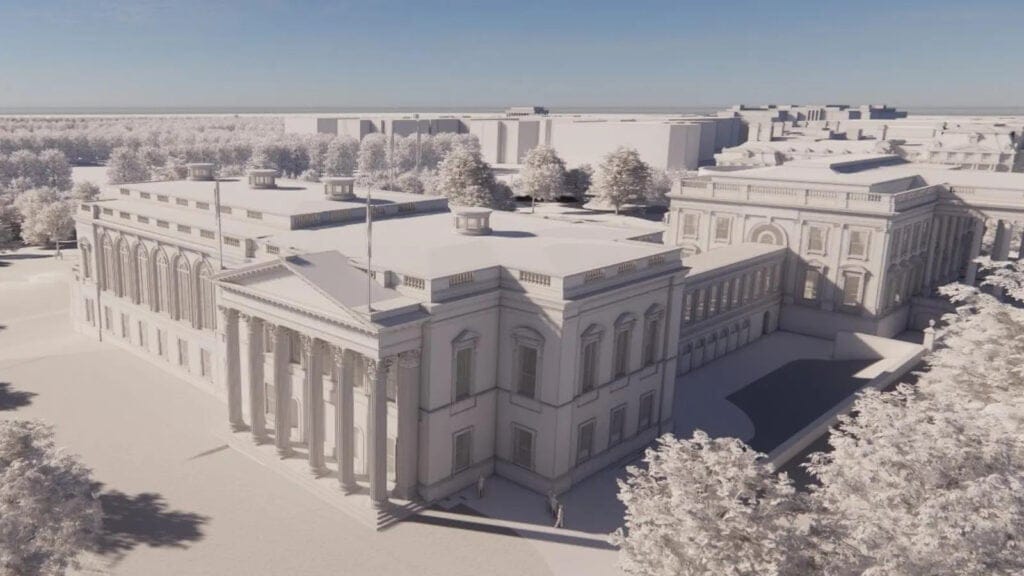
The White House Ballroom is expected to cost around $400 million, making it one of the most expensive proposed upgrades to the White House in modern history.
According to reports, the ballroom could include:
Supporters argue that the White House Ballroom would significantly improve the United States’ ability to host international leaders and major diplomatic events. They also note that repeated spending on temporary structures over time may justify the investment in a permanent solution.
Critics, however, question whether the cost is appropriate, especially given competing national priorities.
For more information on federal spending, visit the Congressional Budget Office.
The White House Ballroom proposal has generated mixed reactions from lawmakers, preservation groups, and the public.
Supporters highlight:
Critics point to:
Preservation organizations have raised concerns about how construction might affect existing structures, particularly if parts of the East Wing are altered or replaced.
The future of the White House Ballroom remains uncertain. While Trump has emphasized strong backing, including from the military, there has been no confirmed timeline for construction or final approval.
If the project moves forward, it could represent one of the most significant changes to the White House in decades. If it does not, it may remain part of ongoing discussions about how to modernize historic government buildings while preserving their legacy.
The proposal also raises broader questions about how large-scale government projects are planned, funded, and communicated to the public.
The White House Ballroom proposal sits at the intersection of politics, infrastructure, and national symbolism. Trump’s claim that the US military backed the project adds an unexpected dimension that continues to draw scrutiny.
Whether viewed as a necessary upgrade or a costly expansion, the White House Ballroom has become a focal point in discussions about government priorities and the evolving role of the White House as both a residence and a global stage.
US Iran Strike Warning: Trump Issues “Peace Through Strength” Message as Deadline Expires
Trump Threatens to ‘Massively Blow Up’ World’s Largest Gas Field – 4 Shocking Global Risks
5 Brutal Truths: The World Has Flipped — War Is the New Macro

