

War is the new macro.
Not growth. Not inflation targets. Not central bank projections.
That’s the shift most participants still don’t fully understand — and it’s why positioning is increasingly offside.
We’ve moved out of a clean, data-driven cycle and into something far more unstable:
a market dominated by conflict, supply shocks, and geopolitical escalation.
This isn’t noise. It’s a regime change.
Here are 5 brutal truths defining this new reality.
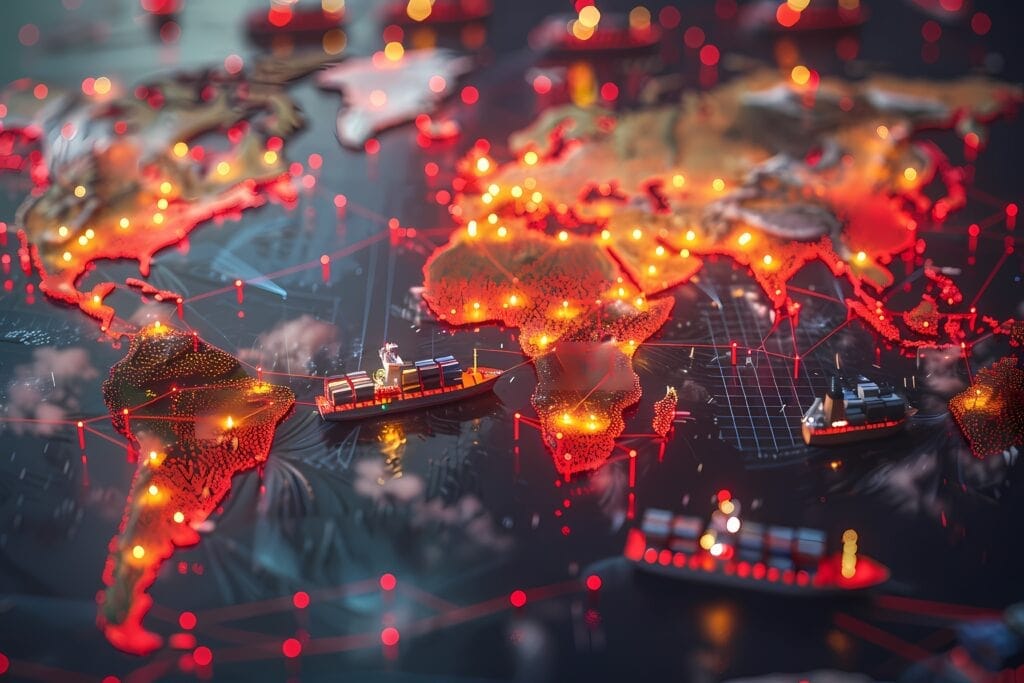
In this environment, war is the new macro because it dictates direction across asset classes.
Markets are no longer reacting first to:
They’re reacting to:
That’s a fundamental shift.
You can see it in price action:
The market isn’t forward-looking in the traditional sense anymore.
It’s event-driven.
And that makes it far more volatile.
If war is the new macro, then oil is the mechanism that transmits its impact into the economy.
Every escalation carries energy risk.
And energy feeds directly into inflation.
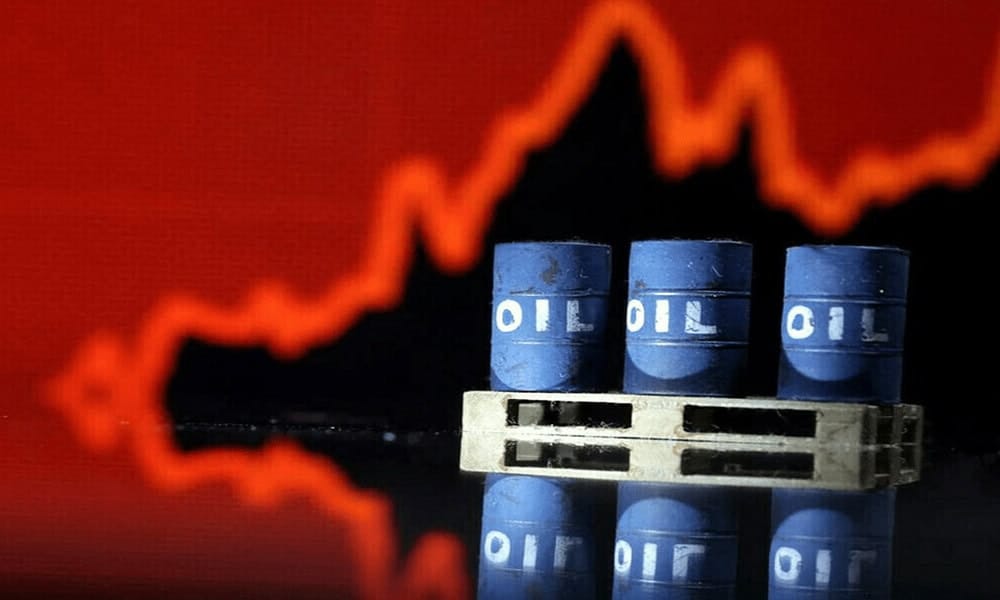
According to the International Energy Agency, geopolitical disruptions remain one of the key drivers of oil market instability — and that instability is feeding directly into pricing pressure globally.
The chain reaction is clear:
This is why inflation is proving sticky again, even when demand weakens.
It’s not demand-driven anymore.
It’s shock-driven.
This is where the system starts to crack.
Central banks were designed to manage demand cycles — not geopolitical shocks.
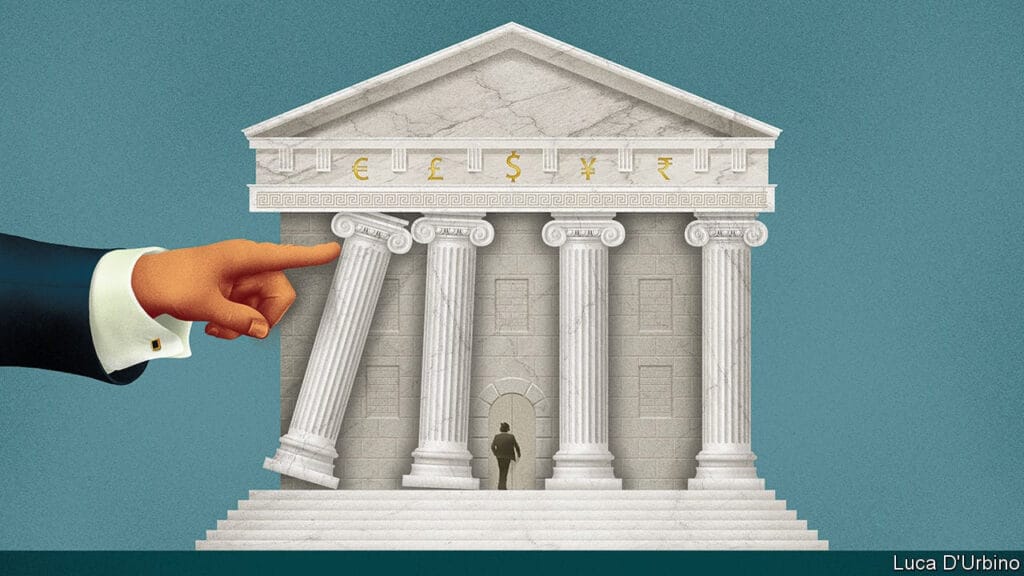
Yet in a world where war is the new macro, they are being forced to respond to variables they cannot control.
They can:
But they cannot:
Even institutions like the Federal Reserve are increasingly reacting after the fact, rather than shaping outcomes.
That shift matters.
Because once markets realize policy tools are limited,
credibility starts to erode.
Here’s where the disconnect is most obvious.
Markets are still pricing risk like it’s temporary.
But in a world where war is the new macro, risk is continuous — and often nonlinear.
What’s being underestimated:
It only takes one unexpected event to trigger:
For reference, institutions like the provide structured forecasts — but they often lag the speed of geopolitical developments.
Markets, however, reprice instantly.
That gap creates opportunity — and risk.
This is not a temporary phase.
War is the new macro because the underlying global system is shifting.
We are moving from:
Supply chains are being rebuilt along geopolitical lines.
Capital is becoming more selective.
Risk premiums are rising.
And most importantly — the old playbook is no longer sufficient.
You can’t trade this environment with a purely economic lens.
You need a geopolitical lens first.
Say it clearly, because this is the anchor:
War is the new macro.
That means:
This is not a normal cycle.
This is a reset of how markets function.
If you’re still focused only on rates, growth, and traditional indicators,
you’re trading a world that no longer exists.
Adapt — or get left behind.

